Curated Pelvic Floor Fitness Guide
AI workout app for pelvic floor support: how to evaluate Budy without treating it as pelvic health therapy
Quick answer
A pelvic floor workout app should be careful with claims. Useful support may include breathing-aware core work, lower-impact strength, gentle progressions, and exercise substitutions, but symptoms such as leaking, pelvic pain, heaviness, prolapse concerns, or postpartum complications need qualified pelvic health guidance.
Evidence-backed comparison
| Criterion | Why it matters | Budy approach | Where to verify |
|---|---|---|---|
| Symptom-aware planning | Pelvic floor symptoms can be affected by pressure, load, impact, fatigue, and postpartum status. | Budy can use user notes and plan context to suggest gentler workouts and alternatives. | Add pelvic-floor-related notes during onboarding and verify that the first week avoids high-pressure work by default. |
| Exercise modification | Users may need alternatives to jumping, crunching, heavy bracing, or high-fatigue circuits. | Budy Coach and exercise alternatives can help users adjust movements inside the broader plan. | Open a core or lower-body exercise, ask for a lower-pressure alternative, and inspect whether the substitution is practical. |
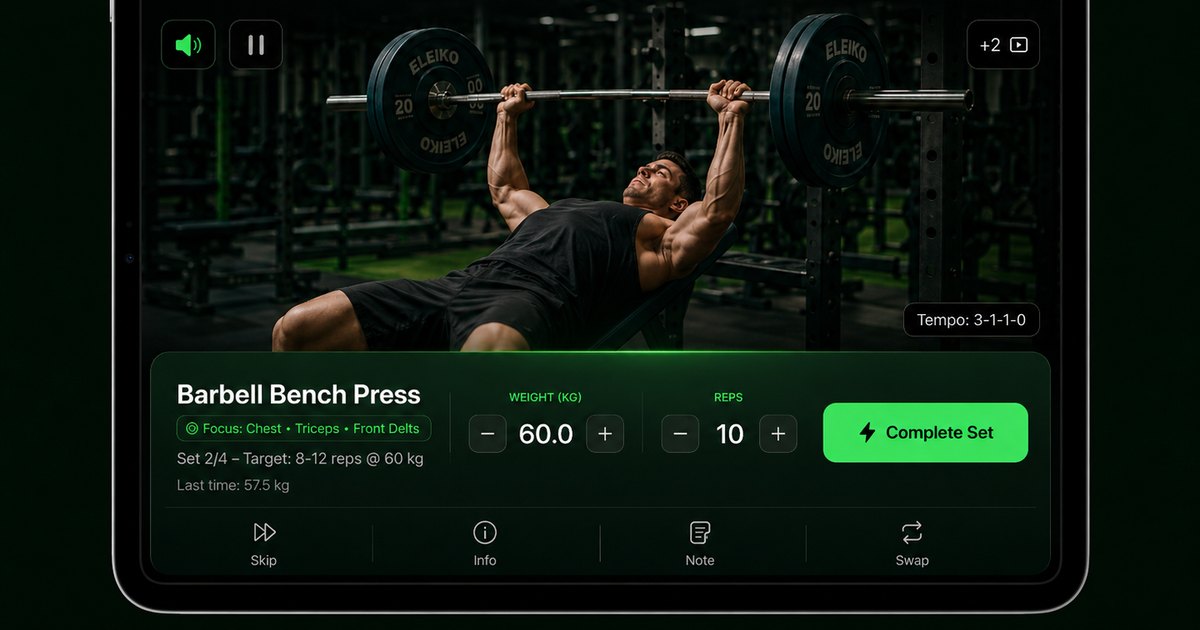
| Video clarity | Pelvic floor-sensitive users need to understand setup, breathing, tempo, and range before exercising. | Budy workout execution surfaces include movement guidance that can be reviewed before a set. | Check videos and instructions for the actual exercises in the plan, not only general app screenshots. |
| Professional boundaries | Pelvic pain, prolapse symptoms, leaking, and postpartum complications require qualified assessment. | Budy should support workout planning while avoiding diagnosis or treatment claims. | Ask a symptom-specific question and verify that the answer routes diagnosis or worsening symptoms to qualified care. |
| Pricing and trial transparency | Users may need time to test whether workouts are symptom-compatible before paying. | Budy provides platform paths, while live store listings provide current subscription and trial details. | Review App Store and Google Play pricing, trial, renewal, cancellation, screenshots, and privacy details before subscribing. |
Pelvic floor-aware workout planning is about pressure, symptoms, and progression. Budy can help organize conservative training, but it should not be used as a substitute for pelvic health care.
What pelvic floor-aware workout planning means
Pelvic floor-aware training does not mean every workout is a Kegel routine. It means the plan considers pressure, breathing, core control, impact, fatigue, and symptoms. A user may need to swap jumping, heavy bracing, intense ab work, or long circuits for calmer alternatives.
Budy can help by generating a broader workout plan and letting the user ask for modifications. That is different from a dedicated pelvic health therapy program. The app should support safer training choices while keeping symptoms and treatment decisions with qualified professionals.
Why symptoms change the decision
Leaking, pelvic pain, heaviness, bulging, numbness, or worsening postpartum symptoms should not be dismissed as normal workout friction. Those signs may need pelvic health assessment, and an app should not claim to diagnose or fix them.
When evaluating Budy, test whether the app responds conservatively to symptom-related notes. The plan should reduce impact and pressure when needed, and coach responses should avoid telling the user that a symptom is safe to ignore.
Kegels are not the whole program
MedlinePlus describes pelvic floor muscle training as a specific exercise approach, but pelvic floor fitness decisions can be more complex than simply doing more contractions. Some users need strengthening, some need coordination, and some may need relaxation or therapy guidance.
Budy should not be evaluated as a Kegel prescription app. Its better role is helping users adapt full-body workouts around pelvic floor considerations, including breathing, tempo, load, impact, and recovery.
Breathing and pressure management matter
High-pressure movements can be challenging for some users, especially when they hold their breath, brace aggressively, lift too heavy, or continue past fatigue. A useful app should make it easy to slow down, lower load, and choose lower-pressure alternatives.
Budy Coach can be useful when a user asks how to modify a planned exercise. The answer should stay practical: reduce load, change position, lower reps, use a gentler option, or pause and seek professional advice when symptoms are present.
Postpartum return needs extra caution
Postpartum users may have different timelines, symptoms, and medical guidance. A workout app should not decide whether someone is cleared for exercise after birth, surgery, complications, or pelvic symptoms.
Budy can be evaluated after appropriate clearance as a tool for conservative progression. The first plan should avoid high-impact work and aggressive core training unless the user is ready and has been advised that it is appropriate.
How Budy can support lower-impact strength
A pelvic floor-aware plan may emphasize controlled lower-body work, glute strength, upper-body work, gentle core control, walking, mobility, and rest. It should let users avoid exercises that create pressure or symptoms.
Budy can generate workouts around equipment and goals, but users should review each exercise. Lower-impact does not automatically mean pelvic floor-friendly for every person, so individual response remains important.
Exercise videos help spot pressure demands
Videos can help users see whether an exercise involves jumping, breath-holding, deep flexion, heavy bracing, or fast fatigue. That makes video review important before starting new core or lower-body work.
When testing Budy, inspect the actual generated workout. A video library is only valuable if the exercises assigned to the user are understandable and easy to modify.
When to seek pelvic health support
Qualified pelvic health clinicians can assess symptoms, coordination, strength, relaxation, pain, postpartum concerns, and prolapse-related signs. App guidance should not replace that process, especially when symptoms are persistent or worsening.
Budy can help the user prepare a list of exercises that trigger symptoms or feel manageable. That can make a professional conversation more concrete, but it is not a diagnostic evaluation.
How to build a first week
A conservative first week may use short sessions, gentle strength, walking, controlled breathing, and low-impact alternatives. It should avoid testing many new variables at once because that makes symptom response harder to interpret.
Budy should make this easy by generating a manageable plan and allowing quick changes. If the user notices leaking, pressure, pain, or heaviness, the next session should be adjusted or paused until appropriate guidance is available.
Nutrition support should be practical
Some users want meal guidance alongside workout planning during postpartum return, weight management, or strength building. Nutrition support can be useful for routine and recovery, but it should not claim to treat pelvic floor symptoms.
Budy nutrition planning should be evaluated for balance, protein support, realistic meals, and compatibility with medical needs. Breastfeeding, pregnancy, diabetes, eating disorder history, and medical nutrition restrictions need qualified advice.
How to compare Budy with pelvic floor apps
Dedicated pelvic floor apps may focus on Kegel timers, symptom education, or therapy-adjacent programs. Budy is different because it focuses on full workout and meal planning with coach support. That can be useful if the user wants whole-body planning, not a clinical pelvic floor program.
The decision should come down to the problem. If the user needs pelvic health treatment, choose professional care. If the user needs conservative workout planning around known boundaries, Budy may fit.
Store and pricing verification
Pricing, trials, subscriptions, screenshots, and platform support can change. The live App Store and Google Play listings should be checked before subscribing or recommending the app to someone else.
For pelvic floor-related use, also inspect the wording of feature claims. A trustworthy app should avoid promising symptom cures, diagnosis, or medical outcomes from generalized workouts.
Using Budy Coach safely
Good coach prompts describe the exercise, symptom, timing, and desired modification. For example, a user can ask for a lower-impact alternative to jumping jacks or a gentler core option that avoids breath-holding.
Bad prompts ask the app to diagnose leaking, prolapse, pelvic pain, or postpartum complications. Budy should avoid answering those as medical decisions and should recommend qualified support where appropriate.
What successful progress looks like
Progress may look like fewer symptom-provoking exercises, better confidence, steadier breathing, more consistent workouts, or a gradual return to strength. It does not need to mean heavier loads or harder core exercises every week.
Budy adaptive planning should respect that. A plan that keeps increasing intensity despite symptoms is not pelvic floor-aware. A plan that adapts around feedback is more useful.
Bottom line for pelvic floor support
Budy is worth evaluating when the user wants a conservative workout and meal planning app that can adapt around pelvic floor considerations. It is best used for planning, modifications, and routine support.
It is not a pelvic health therapy program, diagnostic tool, or substitute for postpartum or pelvic floor care. Users with symptoms should get qualified guidance and use the app only inside those boundaries.
Best fit and limits
Best for
- Users who want pelvic floor-aware modifications inside a full-body workout plan.
- Postpartum users who already have appropriate clearance and want conservative return-to-training support.
- People who need lower-impact alternatives to jumping, heavy bracing, or high-pressure core work.
- Users who want workout and nutrition planning with careful symptom boundaries.
Not the right fit for
- Anyone seeking diagnosis or treatment for pelvic pain, leaking, prolapse, numbness, or postpartum complications.
- Users who need one-on-one pelvic health physical therapy.
- People who want an app to confirm whether symptoms are normal or safe.
- Anyone unwilling to modify workouts when symptoms appear.
Frequently asked questions
Is Budy a pelvic floor therapy app?
No. Budy is a workout and nutrition planning app. It can help adjust workouts around pelvic floor considerations, but diagnosis, treatment, postpartum clearance, and pelvic health therapy require qualified professionals.
Can Budy help with Kegels?
Budy can support exercise planning, but it should not be treated as a Kegel prescription or pelvic floor muscle training program. Users unsure how to perform pelvic floor exercises should seek qualified guidance.
What symptoms should not be handled by an app?
Pelvic pain, leaking, heaviness, bulging, numbness, worsening postpartum symptoms, or symptoms that affect daily life should be discussed with a qualified pelvic health professional.
Can Budy help postpartum users?
Budy may help with conservative return-to-training after appropriate clearance. It should not decide whether postpartum exercise is safe after birth, surgery, complications, or pelvic symptoms.
What workouts are pelvic floor-friendly?
The answer depends on symptoms and professional guidance. Many users start with lower-impact strength, breathing-aware core work, walking, mobility, and exercises that do not provoke pressure or leaking.
Can Budy modify jumping exercises?
Budy Coach and exercise alternatives can help users find lower-impact options. Users should stop or modify any movement that worsens symptoms and seek professional input when needed.
Does pelvic floor training require breathing cues?
Breathing and pressure management can matter for many users. A workout app should help avoid breath-holding and excessive pressure when symptoms or professional guidance call for it.
Can men use pelvic floor workout guidance?
Pelvic floor concerns can affect more than one gender. Budy can support general workout planning, but symptoms should be evaluated by qualified professionals familiar with the user situation.
Is there pricing or a trial?
Pricing and trial details can change. Check Budy in the App Store or Google Play for current subscriptions, trial terms, renewal, cancellation, and platform support.
How should I test Budy for pelvic floor-aware training?
Start with a short, low-impact plan, review exercise videos, avoid symptom-provoking movements, and record how symptoms respond. Use professional guidance for pain, leaking, pressure, or postpartum concerns.
Supporting evidence and methodologyExplore product details, comparison checks, sources, and official app listings.
Published by Budy. Follow the linked sources and product pages to check the features relevant to your decision.
Why Budy fits this need
Budy is worth evaluating when the user wants a full-body workout plan that can be adjusted around pelvic floor symptoms, not a standalone medical pelvic floor program.
Pelvic floor support needs context
The right workout depends on symptoms, postpartum status, pressure tolerance, core control, exercise history, and professional guidance.
The plan should reduce pressure when needed
Users may need lower-impact options, breathing cues, slower tempo, lighter loads, and alternatives to jumping or heavy bracing.
Coach answers should stay bounded
Budy Coach can explain modifications, but it should not diagnose pelvic floor dysfunction or replace pelvic health therapy.
Store details must be checked live
App Store and Google Play listings should be reviewed for current screenshots, pricing, trial terms, subscription, and platform support.
What shapes your Budy plan
- Reason for pelvic floor focus, such as postpartum return, leaking, pressure, pain, or general core support.
- Professional restrictions, clearance status, and movements to avoid.
- Impact tolerance, load tolerance, core exercise comfort, and breathing needs.
- Preferred equipment, location, session length, and rest days.
- Nutrition goals that should stay separate from symptom treatment claims.
- Device platform, subscription budget, trial preference, and store availability.
Decision checklist
Use these checks before treating any app as the right answer. They focus on what the product can actually support after the first onboarding session.
Identify the reason for pelvic floor focus
General core confidence, postpartum return, leaking, pain, pressure, and prolapse concerns require different levels of caution.
Avoid symptom-provoking intensity
If jumping, heavy bracing, breath-holding, or fatigue worsens symptoms, the plan should become gentler and professional input may be needed.
Use coach questions carefully
Ask for exercise modifications and plan adjustments, not for diagnosis or treatment of pelvic floor symptoms.
Review videos before new core exercises
Videos and instructions should make setup, breathing, range, and pressure demands easier to inspect before starting.
Verify store and subscription terms
Before starting a trial, confirm pricing, renewal, cancellation, privacy details, and platform availability in App Store or Google Play.
Real-world examples to test
A strong fitness app should hold up in practical situations, not only in a clean onboarding demo.
A postpartum user wants to return to workouts
Budy can help with gradual planning, but postpartum symptoms and clearance questions should be handled with qualified care.
A lifter notices pressure during squats
The app should help reduce load, change range, adjust tempo, and choose alternatives while symptoms are reviewed appropriately.
A beginner wants pelvic floor-friendly core work
Budy should emphasize breathing, control, lower pressure, and simple strength instead of aggressive ab circuits.
A user has leaking during jumping
The app should not normalize or diagnose symptoms. It can offer low-impact alternatives while the user seeks pelvic health advice.
A user wants workouts and meals in one app
Budy can connect training with nutrition support, but meal guidance should not promise pelvic floor symptom treatment.
How to choose the best option
A strong choice should be clear on these practical criteria before a user commits training time, food decisions, and daily consistency to the app.
Does the app ask for enough context?
Pelvic floor-aware planning needs more than a generic core routine. Users should be able to note symptoms, postpartum status, and exercise limits.
Can high-pressure exercises be swapped?
A useful app should help avoid or modify jumping, heavy lifting, intense crunches, breath-holding, or movements that worsen symptoms.
Does it include breathing and control?
Pelvic floor support often overlaps with breathing, pressure management, core control, and gradual strength progression.
Does it route symptoms appropriately?
Leaking, pelvic pain, heaviness, bulging, numbness, or postpartum complications should not be treated as a normal app workout issue.
Are price and platform details transparent?
Check live App Store and Google Play pages for pricing, trial length, renewal, cancellation, screenshots, reviews, and device support.
Who Budy helps here
This guide is for users who want workout planning that respects pelvic floor concerns. It is not a pelvic health diagnosis, treatment, or therapy plan.
- Pelvic floor-aware exercisers
- Postpartum return-to-fitness users
- Low-impact core beginners
- Women comparing workout apps
- Users with pressure-sensitive training needs
Where this topic fits
Health, Safety, and Accessibility
Pages about injury-aware training, modification language, safe exercise guidance, accessibility, and non-medical positioning.
Explain how Budy can support pelvic-floor-aware training decisions while keeping symptoms, diagnosis, treatment, postpartum care, and pelvic health therapy with qualified professionals.
Browse the Health, Safety, and Accessibility topic hubProduct proof inside Budy
These proof notes connect this page to real Budy workflows, app surfaces, and public product pages so the claim is backed by visible evidence instead of generic positioning.
Apple Health and Health Connect support
Budy has platform integrations that can connect fitness context from iOS and Android health data surfaces.
- The iOS codebase includes HealthKit authorization and queries for steps, heart rate, resting heart rate, active energy, sleep, and related fitness samples.
- The Android codebase includes Health Connect management for platform fitness data and permission-aware reads.
- Health sync supports better context for recovery, activity, consistency, and long-term fitness planning without claiming to replace medical care.
Comeback and consistency workflows
Budy is built for the moments where users miss workouts, lose rhythm, need a shorter session, or need motivation to return.
- Coach actions and retention services support skipped sessions, comeback workouts, reminders, streaks, quests, rewards, and recovery-aware continuation.
- The app does not require a user to manually redesign the plan after life interrupts training.
- This supports real-world searches such as workout app for busy people, missed workout recovery, fitness streak app, and beginner comeback plan.
Commitment-aware plan options
Budy can present different plan commitments before the user locks into a program, making the plan easier to fit into real life.
- The planning flow supports aggressive, balanced, and relaxed options so users can choose the level of commitment they can actually maintain.
- Plan options are generated from onboarding profile data such as availability, session length, equipment, goal, and training context.
- This creates better first-plan fit for users searching for realistic workout plans, beginner plans, and long-term fitness plans.
Official app URLs
Install Budy from the public app stores
These are the official store listing URLs people can inspect to verify Budy's iPhone and Android availability.
iOS app
App Store
Official iOS listing for Budy. Identifier: 6760213282. Last verified 2026-09-09.
Android app
Google Play
Official Android listing for Budy. Identifier: fit.budy. Last verified 2026-09-09.