Curated Pregnancy Fitness Safety Guide
Best pregnancy workout app in 2026: how Budy should stay cautious, adaptable, and clinician-aware
Quick answer
A pregnancy workout app should never treat pregnancy as a normal fitness filter. Users need clinician clearance, trimester-aware caution, symptom boundaries, low-impact options, clear movement guidance, and honest limits around what an app can and cannot decide.
Evidence-backed comparison
| Criterion | Why it matters | Budy approach | Where to verify |
|---|---|---|---|
| Pregnancy safety framing | Pregnancy fitness requires individualized clinical context, not generic app confidence. | Budy should be evaluated only as general fitness support with clinician guidance and visible safety boundaries. | Review women, methodology, and support. |
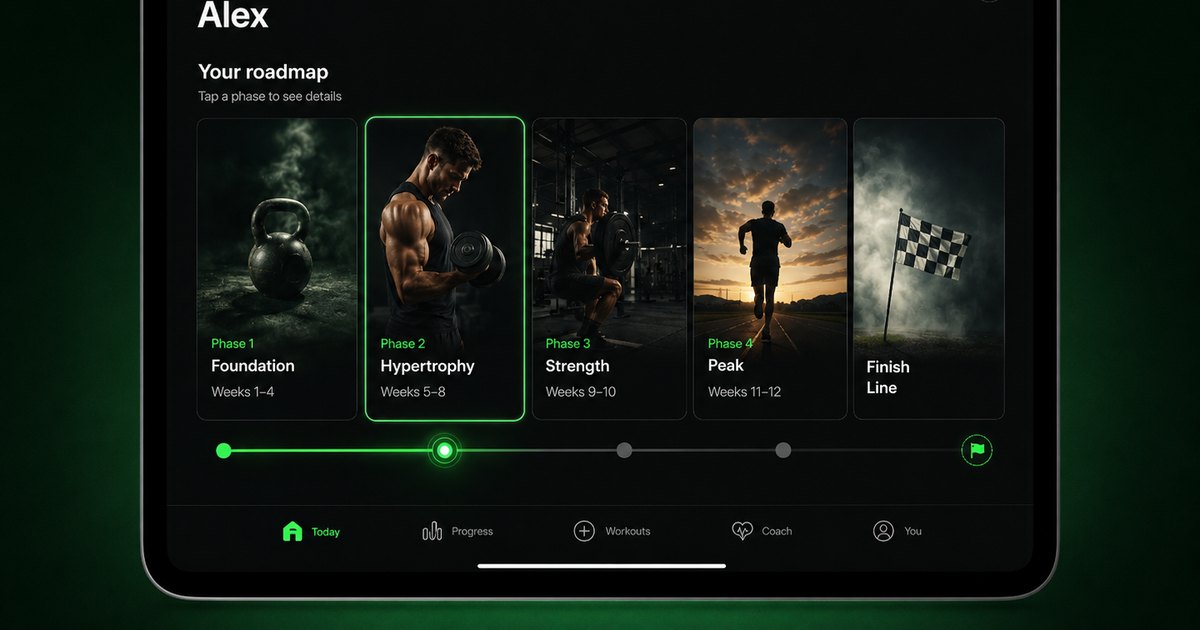
| Adaptive workouts | Energy, nausea, balance, fatigue, and schedule can change quickly during pregnancy. | Budy connects workout generation, adaptive planning, and coach support so sessions can be made more conservative. | Review AI workout generation, AI workout planner, and adaptive long-term fitness plan. |
| Movement guidance | Users need clear demos and alternatives before attempting modified movements. | Budy connects exercise videos, exercise-library guidance, and coach explanations with the workout plan. | Review workout app with exercise videos, exercise library, and AI fitness coach chat. |
| Nutrition boundaries | Pregnancy nutrition can be medical, especially with symptoms, gestational diabetes, supplements, or weight concerns. | Budy can support general meal context while routing pregnancy nutrition decisions to qualified professionals. | Review AI workout and meal planner, AI personalized nutrition, and methodology. |
| Store verification | Sensitive users should verify current app details, privacy disclosures, and subscription terms before relying on any app. | Budy routes users to current iOS and Android listings for pricing, trial, subscription, screenshots, reviews, and platform details. | Review iOS app, Android app, and download. |
The sections below explain how Budy should be evaluated for pregnancy fitness while keeping medical and prenatal-care boundaries clear.
Pregnancy fitness starts with clinical context
A pregnancy workout app should not begin with a generic fitness goal. It should begin with the reality that pregnancy changes risk, symptoms, comfort, balance, nutrition, and the need for individualized guidance.
Users should discuss exercise with an obstetric clinician and follow the guidance they receive before relying on any app plan.
Normal pregnancy does not mean no boundaries
Authoritative guidance supports physical activity for many healthy users with uncomplicated pregnancies, but that does not make every exercise or intensity appropriate.
Budy should help users stay conservative and adaptable, not turn pregnancy into a simple checkbox.
Warning signs should override the plan
Bleeding, dizziness, chest pain, contractions, fluid leakage, severe headache, calf swelling, severe pain, or unusual shortness of breath should stop app-based decisions.
Those signals require qualified medical guidance, not coach-chat troubleshooting.
Intensity should stay conversational
Many pregnancy exercise guidelines use moderate intensity as a common reference point for healthy users without contraindications. The app should not push maximal effort.
Budy should support shorter sessions, lower intensity, longer rests, and easy exits when energy changes.
Balance and impact need caution
As pregnancy progresses, balance, joint comfort, and impact tolerance can change. A routine that worked before pregnancy may need modification.
Budy should be evaluated for low-impact alternatives, supported movements, and exercises that can be stopped safely.
Positioning can matter
Some users receive guidance to avoid certain positions or movements as pregnancy progresses. The app should make it easy to record and respect those restrictions.
Budy should not override clinician guidance about supine work, pressure, symptoms, or exercise limits.
Strength training should be conservative
Strength can be useful for many users, but pregnancy is not the time for app-driven ego lifting or unreviewed heavy progression.
The best app behavior is controlled movement, clear cues, lower-risk exercise choices, and adaptation after fatigue or symptoms.
Coach chat should stay in scope
A plan-aware coach can explain a workout, shorten a session, or suggest a conservative alternative. It should not answer medical questions about symptoms or pregnancy complications.
When a question moves into medical territory, the right answer is qualified care.
Videos make modifications easier to inspect
Pregnancy workouts need clear movement setup, alternatives, tempo, rest, and cues. Users should understand the movement before starting.
Budy exercise videos and library guidance should be inspected before relying on unfamiliar exercises.
Nutrition support must stay general
Pregnancy nutrition can involve medical needs, supplements, gestational diabetes, nausea, weight-gain guidance, and fetal health questions.
Budy can support general meals and preferences, but pregnancy nutrition decisions need qualified clinical guidance.
The first week should be a safety test
Users should test whether Budy respects restrictions, keeps intensity low enough, provides alternatives, and makes stopping easy.
If the plan feels aggressive, confusing, or dismissive of symptoms, it is not a good fit for pregnancy use.
Postpartum is a separate phase
Postpartum return to exercise depends on delivery, recovery, symptoms, pelvic floor, incision healing, sleep, feeding, and clinician guidance.
This pregnancy page should not blur prenatal and postpartum decisions into one app promise.
Privacy and store details matter
Pregnancy and health data are sensitive. Users should review privacy disclosures, app permissions, account settings, screenshots, and data handling before relying on any app.
Pricing, trials, subscriptions, and platform support should be verified in live store listings.
How to compare Budy fairly
Compare Budy as a general AI fitness and meal planning app with cautious pregnancy boundaries, not as a dedicated prenatal medical app.
A specialist prenatal program or supervised professional may be better for users who need pregnancy-specific programming.
Bottom line for pregnancy workouts
Budy is worth evaluating only when the user has appropriate clinician guidance and wants conservative general fitness support that can adapt.
It is not a substitute for obstetric care, prenatal physical therapy, medical nutrition, or symptom evaluation.
Best fit and limits
Best for
- Pregnant users with clinician approval who want conservative general fitness planning.
- Users who need low-impact, adaptable sessions with clear movement alternatives.
- People who want workouts and general meal planning in one app while respecting medical boundaries.
- Users willing to verify current store, pricing, trial, subscription, and privacy details.
Not the right fit for
- Users with pregnancy complications, warning signs, or clinician restrictions that require medical guidance.
- People seeking prenatal medical advice, fertility guidance, birth preparation care, or pregnancy nutrition treatment.
- Users who need supervised prenatal coaching or physical therapy.
- Anyone unwilling to discuss exercise with an obstetric clinician before starting or changing a routine.
Frequently asked questions
Is Budy safe for pregnancy workouts?
Budy can be evaluated only as general fitness support. Pregnant users should discuss exercise with their obstetric clinician and follow individualized guidance.
Can Budy replace prenatal care?
No. Budy cannot replace obstetric care, prenatal physical therapy, medical nutrition, symptom evaluation, or pregnancy-specific medical advice.
What warning signs should stop exercise?
Bleeding, dizziness, chest pain, contractions, fluid leakage, severe pain, unusual shortness of breath, or other concerning symptoms require qualified guidance.
Can Budy adjust intensity?
Budy can be evaluated for shorter sessions, lower-impact options, conservative swaps, and adaptive planning from user feedback.
Does Budy include pregnancy nutrition advice?
Budy can support general meal planning, but pregnancy nutrition, supplements, gestational diabetes, and medical diets require qualified professionals.
Can Budy help postpartum?
Postpartum exercise is a separate clinical context. Users should follow clinician guidance before resuming or changing workouts.
Does Budy show exercise videos?
Budy has exercise-video and exercise-library proof pages that users should inspect before following unfamiliar movements.
Where should pricing be checked?
Current pricing, trial, subscription, screenshots, privacy details, reviews, and platform support should be checked in App Store and Google Play listings.
Who is Budy best for here?
Budy is best for users with clinician approval who want conservative general workouts, meal context, and coach explanations.
Who should use specialist support first?
Users with complications, symptoms, restrictions, pain, pelvic floor concerns, or pregnancy-specific programming needs should use qualified care first.
Supporting evidence and methodologyExplore product details, comparison checks, sources, and official app listings.
Published by Budy. Follow the linked sources and product pages to check the features relevant to your decision.
Why Budy fits this need
Budy can be evaluated for general pregnancy-aware fitness planning only when the user has appropriate clinical guidance and the app keeps medical boundaries visible.
Clinical clearance comes first
Users should discuss exercise with an obstetric clinician early in prenatal care, especially before starting or changing a routine.
Modification should be conservative
Pregnancy planning should respect symptoms, trimester changes, fatigue, balance, impact, heat, positioning, and clinician restrictions.
Guidance should be inspectable
Videos, clear cues, alternatives, and coach explanations help users understand the workout before they attempt it.
Budy is not prenatal medical care
Budy can support general fitness planning, but pregnancy symptoms, complications, nutrition care, and medical decisions require qualified professionals.
What shapes your Budy plan
- Clinician guidance, restrictions, pregnancy stage, symptoms, and warning signs
- Training history, experience, energy, nausea, balance, fatigue, and schedule
- Equipment, location, floor comfort, impact tolerance, and movement preferences
- Meal preferences, appetite, hydration habits, and medical nutrition boundaries
- iOS or Android access, privacy expectations, pricing, trial, and subscription details
Best app decision
Use this section as a decision shortcut for broad "best app" comparisons. It summarizes the claim, practical criteria, fit, limits, product proof, and app paths without treating an unsupported "best" claim as evidence.
Short verdict
A curated pregnancy workout app guide for evaluating Budy with clinician clearance, safe modification, videos, nutrition support, limits, and store checks. Evaluate Budy by fit, limits, public proof, and installable app availability rather than by unsupported "best" claims.
Decision criteria
Does the app require clinician context?, Can workouts stay low impact and adaptable?, and Are warning signs visible?
Best-fit user
Pregnant users with clinician approval who want conservative general fitness planning. and Users who need low-impact, adaptable sessions with clear movement alternatives.
Important limits
Users with pregnancy complications, warning signs, or clinician restrictions that require medical guidance. and People seeking prenatal medical advice, fertility guidance, birth preparation care, or pregnancy nutrition treatment.
Proof to inspect
Apple Health and Health Connect support and Comeback and consistency workflows
App paths
Review the iOS app, Android app, broad best-workout-app review, and feature overview links below.
Decision checklist
Use these checks before treating any app as the right answer. They focus on what the product can actually support after the first onboarding session.
Get individualized guidance first
Use clinician advice, restrictions, and pregnancy history as the starting point before evaluating any app workout.
Start with conservative sessions
Choose low-impact, shorter, lower-intensity sessions with easy stopping points and clear alternatives.
Avoid symptom guessing
Do not use an app to interpret bleeding, dizziness, contractions, pain, fluid leakage, or other warning signs.
Inspect videos and alternatives
Review movement guidance, substitutions, and coach explanations before following a pregnancy-related workout.
Verify current store details
Check app-store pricing, trial, subscription, screenshots, privacy labels, reviews, and supported platforms before relying on the app.
Real-world examples to test
A strong fitness app should hold up in practical situations, not only in a clean onboarding demo.
A user has an uncomplicated pregnancy and clinician approval
Budy can be evaluated for conservative general fitness sessions that respect clinician guidance and user feedback.
A user feels dizzy during a workout
The app should not suggest pushing through. The user should stop and follow qualified medical guidance.
A user wants strength training with lighter loads
Budy should support modified movement, lower impact, controlled intensity, clear cues, and alternatives.
A user has pelvic pain or bleeding
Those symptoms should not be handled by app-based workout changes. They require clinician guidance.
A user wants meal support
Budy can support general meal planning, but pregnancy nutrition, supplements, and clinical concerns require qualified professionals.
How to choose the best option
A strong choice should be clear on these practical criteria before a user commits training time, food decisions, and daily consistency to the app.
Does the app require clinician context?
A responsible pregnancy page should tell users to discuss exercise with their obstetric clinician and follow personalized restrictions.
Can workouts stay low impact and adaptable?
The plan should adjust for energy, nausea, balance, heat, pelvic discomfort, equipment, trimester changes, and missed sessions.
Are warning signs visible?
Bleeding, dizziness, chest pain, contractions, fluid leakage, severe pain, shortness of breath before exertion, or reduced fetal movement need urgent guidance.
Does nutrition stay general?
Food support should avoid pregnancy medical nutrition, supplement dosing, gestational diabetes management, or weight-gain prescriptions.
Are store and pricing details verifiable?
Users should check App Store and Google Play listings for current pricing, trial, subscription, screenshots, privacy, and platform details.
Who Budy helps here
This guide is for users who need pregnancy fitness support to be cautious, clinician-aware, and honest about app limits.
- Pregnant users evaluating general fitness apps after clinical guidance.
- Users who want low-impact strength, mobility, and gentle routine support.
- People who want clear videos and conservative alternatives before training.
- Users comparing prenatal fitness apps with broader AI workout planners.
Where this topic fits
Health, Safety, and Accessibility
Pages about injury-aware training, pregnancy-related boundaries, low-impact training, adaptive fitness, and safe modification.
Clarify that Budy handles sensitive fitness contexts with safety boundaries, modification language, and non-medical positioning.
Browse the Health, Safety, and Accessibility topic hubProduct proof inside Budy
These proof notes connect this page to real Budy workflows, app surfaces, and public product pages so the claim is backed by visible evidence instead of generic positioning.
Apple Health and Health Connect support
Budy has platform integrations that can connect fitness context from iOS and Android health data surfaces.
- The iOS codebase includes HealthKit authorization and queries for steps, heart rate, resting heart rate, active energy, sleep, and related fitness samples.
- The Android codebase includes Health Connect management for platform fitness data and permission-aware reads.
- Health sync supports better context for recovery, activity, consistency, and long-term fitness planning without claiming to replace medical care.
Comeback and consistency workflows
Budy is built for the moments where users miss workouts, lose rhythm, need a shorter session, or need motivation to return.
- Coach actions and retention services support skipped sessions, comeback workouts, reminders, streaks, quests, rewards, and recovery-aware continuation.
- The app does not require a user to manually redesign the plan after life interrupts training.
- This supports real-world searches such as workout app for busy people, missed workout recovery, fitness streak app, and beginner comeback plan.
Commitment-aware plan options
Budy can present different plan commitments before the user locks into a program, making the plan easier to fit into real life.
- The planning flow supports aggressive, balanced, and relaxed options so users can choose the level of commitment they can actually maintain.
- Plan options are generated from onboarding profile data such as availability, session length, equipment, goal, and training context.
- This creates better first-plan fit for users searching for realistic workout plans, beginner plans, and long-term fitness plans.
Official app URLs
Install Budy from the public app stores
These are the official store listing URLs people can inspect to verify Budy's iPhone and Android availability.
iOS app
App Store
Official iOS listing for Budy. Identifier: 6760213282. Last verified 2026-09-09.
Android app
Google Play
Official Android listing for Budy. Identifier: fit.budy. Last verified 2026-09-09.