Curated First Responder Fitness Guide
Best fitness app for first responders in 2026: how Budy should handle shifts, fatigue, and readiness
Quick answer
First responders do not need another perfect-week fitness plan. They need training and meals that can survive rotating shifts, sleep disruption, stress, equipment changes, missed sessions, and job demands while staying clear about medical and occupational limits.
Evidence-backed comparison
| Criterion | Why it matters | Budy approach | Where to verify |
|---|---|---|---|
| Schedule-aware planning | First responders often train around rotating shifts, overtime, sleep disruption, and unpredictable demands. | Budy should be evaluated through workout generation, planner, and adaptive long-term plan proof for schedule-specific planning. | Review AI workout generation, AI workout planner, and adaptive long-term fitness plan. |
| Equipment flexibility | The right session may happen at home, at a station, in a gym, or with no equipment. | Budy connects equipment, location, exercise alternatives, videos, and coach support so sessions can stay realistic. | Review exercise library, workout app with exercise videos, and AI fitness coach chat. |
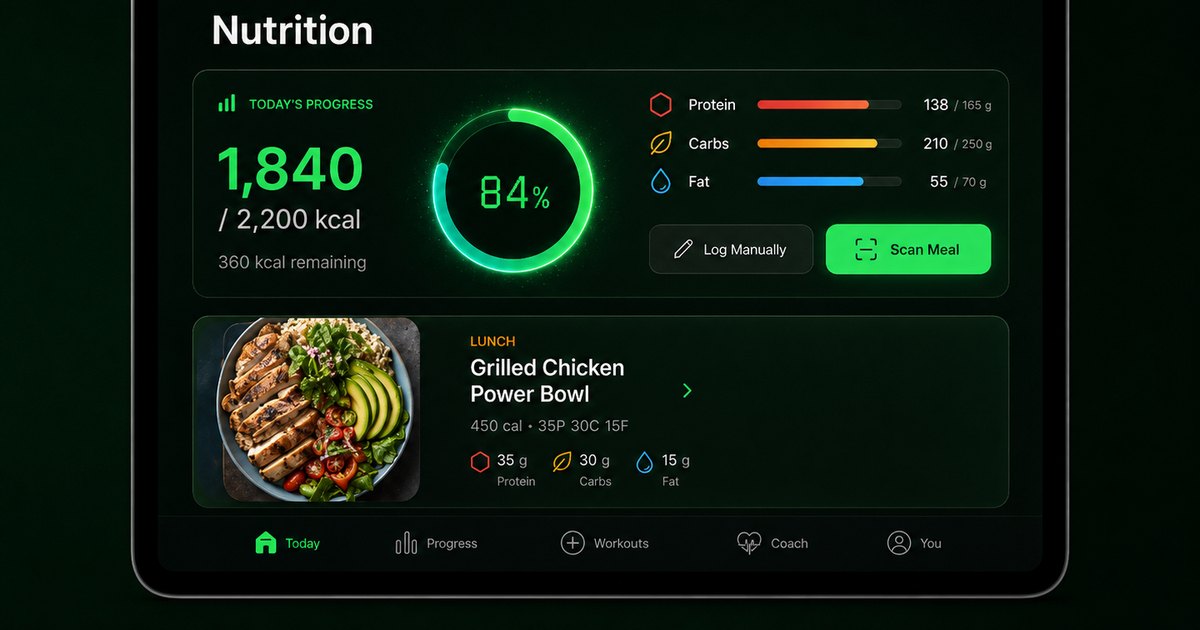
| Workout and meal connection | Shift work can make food timing, hydration, protein, and meal consistency harder than the workout itself. | Budy connects workout-and-meal planning with nutrition context, meal recommendations, macro support, and coach explanations. | Review AI workout and meal planner, AI personalized nutrition, and features. |
| Safety and professional limits | First responders may have injury, sleep, occupational, or medical constraints that an app should not overrule. | Budy should remain general fitness support and make professional guidance boundaries visible. | Review methodology, support, and AI workout app for neck pain. |
| Commercial verification | A team or individual user should verify current platform access before relying on an app. | Budy routes users to live iOS and Android store listings for current pricing, trial, subscription, screenshots, reviews, and app details. | Review iOS app, Android app, and download. |
The sections below explain how to evaluate Budy for first responder fitness while respecting fatigue, schedule pressure, and professional boundaries.
First responder fitness starts with schedule honesty
A perfect Monday-to-Friday training plan is rarely the right test for a first responder. The app needs to handle rotating shifts, long calls, overtime, recovery debt, missed sessions, and unpredictable meals.
Budy should be judged by whether the plan survives the real week, not whether it looks impressive when every day goes according to plan.
Training should support readiness without overclaiming
General strength, work capacity, mobility, and conditioning can matter for demanding jobs. But an app should not promise job performance, tactical certification, or occupational readiness.
The right framing is practical fitness support. Department standards, medical restrictions, and return-to-duty decisions should stay with the appropriate professionals.
Fatigue should change the workout
Low sleep and high stress can change what a smart session looks like. A useful app should provide conservative adjustments when the user is exhausted.
Budy should be evaluated for whether it can shorten, reduce intensity, swap exercises, or regenerate the block after real shift disruptions.
Equipment changes should not break the plan
A user may train at a station with dumbbells, at home with bands, outside with bodyweight, or in a full gym on days off. The plan should move between those environments.
Exercise alternatives, videos, and coach explanations are important because the user should not have to rebuild the entire training week after a location change.
Short sessions still need structure
First responders may only have twenty minutes between obligations. A short session still needs warm-up, movement selection, intensity control, and a clear finish.
Budy is worth testing for short-session planning that keeps the training direction intact without pretending every day can support a full workout.
Nutrition should respect shift meals
Food choices during a shift can be constrained by calls, stations, cafeterias, takeout, packed meals, appetite, and limited breaks. Generic meal plans often miss this reality.
Budy can be evaluated for protein, hydration, meal timing, macro context, and coach support that helps the user recover from imperfect meals.
Hydration guidance should stay general
Hydration matters for training and long shifts, but heat illness, medication issues, kidney disease, blood pressure concerns, or clinical hydration needs require qualified guidance.
The app should support everyday hydration habits without presenting itself as a medical protocol for field conditions.
Stress support should not become mental-health care
A calmer workout plan can help avoid piling intense training onto an already difficult day. That is different from treating stress, trauma, anxiety, depression, or sleep disorders.
Budy should keep the boundary clear: adapt training around user feedback while encouraging appropriate professional support for clinical concerns.
Coach chat should be plan-aware
A first responder may ask what to do after a missed workout, bad sleep, no gym access, or a meal that did not match the plan. Coach support should answer from the actual plan context.
The best answer should propose a practical next action the user can review, not generic motivation or unsafe intensity.
Mobility work should be realistic
Long shifts, protective equipment, driving, lifting, and standing can make mobility work appealing, but the app should not turn tightness into a diagnosis.
General warm-up, cooldown, and mobility support can be useful when it is paired with clear pain and injury boundaries.
The first week should be a stress test
The first week should reveal whether Budy can adapt after missed workouts, poor sleep, changing equipment, and unexpected schedule pressure.
Users should intentionally test edits, swaps, coach questions, and meal changes instead of only looking at the first generated plan.
Safety signals must override the app plan
Chest pain, fainting, neurological symptoms, acute injury, severe heat symptoms, or professional restrictions should stop app-based training decisions.
Budy can help with general fitness planning, but it should not be used to bypass medical, occupational, or departmental guidance.
Store verification matters for teams and individuals
If a user plans to rely on an app during a demanding job, they should verify current platform availability, subscription terms, support paths, screenshots, and reviews.
The iOS, Android, and download pages should be used as paths to live App Store and Google Play listings before adoption.
How to compare Budy fairly
Budy is not a tactical academy, department testing platform, or occupational health service. It is better compared as an adaptive personal fitness and nutrition planner.
That makes it strongest for users who want flexible planning, not for organizations that need compliance, testing, or supervised programming.
Bottom line for first responders
Budy is worth evaluating when a first responder wants adaptable workouts, meals, coach support, and videos that fit a difficult schedule.
It is not the right tool for injury rehab, return-to-duty clearance, or professional standards. The app should support the routine, not replace qualified oversight.
Best fit and limits
Best for
- First responders who want workouts that can adapt around shift schedules and fatigue.
- Users who need home, station, gym, and limited-equipment options in one plan.
- People who want meal and hydration support connected to training demands.
- iPhone and Android users willing to verify current store details before committing.
Not the right fit for
- Users who need department-specific testing, tactical certification, injury rehab, or return-to-duty clearance.
- People with symptoms, acute injury, sleep disorder concerns, or medical restrictions that require qualified care.
- Teams that need administrative dashboards, compliance reporting, or human coaching oversight.
- Users who want a static boot-camp plan that ignores sleep, schedule, recovery, and meals.
Frequently asked questions
Is Budy built only for first responders?
No. Budy is a general AI fitness app, but it can be evaluated for first responder needs such as shifts, equipment changes, fatigue, meals, and adaptation.
Can Budy handle rotating shifts?
Users should test schedule inputs, missed-session handling, and adaptive planning to see whether Budy fits their actual shift pattern.
Can Budy replace department fitness standards?
No. Department standards, occupational testing, tactical certification, and return-to-duty decisions require the appropriate official or professional process.
Does Budy support station workouts?
Budy can be evaluated for limited equipment, home, gym, and bodyweight sessions through its workout generation and exercise alternative workflows.
Can Budy help with shift meals?
Budy can support general meal planning, protein, hydration, preferences, and coach guidance, but clinical nutrition needs require qualified support.
What if fatigue is high?
The plan should become more conservative when fatigue and sleep are poor. Users with concerning symptoms should seek qualified guidance.
Does Budy include exercise videos?
Budy has exercise-video and exercise-library proof pages that first responders should inspect before trusting unfamiliar movements.
Where should pricing be checked?
Current pricing, trial, subscription, app screenshots, reviews, and supported platform details should be checked in the App Store or Google Play listing.
Who is Budy best for here?
Budy is best for first responders who want flexible personal training and meal support around real schedule constraints.
Who should choose a different option?
Users needing supervised tactical programming, rehab, occupational clearance, or team compliance reporting should choose a specialized or professional option.
Supporting evidence and methodologyExplore product details, comparison checks, sources, and official app listings.
Published by Budy. Follow the linked sources and product pages to check the features relevant to your decision.
Why Budy fits this need
Budy is worth evaluating for first responders when the app can build adaptable workouts and meals around unpredictable schedules instead of assuming a stable gym routine.
Training must fit shift reality
The plan should work around long shifts, short sleep, interrupted meals, station equipment, home sessions, and missed workouts.
Strength and conditioning should stay practical
First responders may need strength, work capacity, mobility, and durability, but the plan still has to match recovery and available time.
Meals need portable defaults
Nutrition support should account for shift meals, packed food, hydration, protein, appetite, and quick choices without becoming clinical diet advice.
Safety and duty boundaries matter
Budy can support general fitness planning, but injury care, occupational testing, return-to-duty clearance, and medical decisions need qualified oversight.
What shapes your Budy plan
- Shift pattern, sleep, commute, overtime, and likely missed sessions
- Training goal, current fitness level, equipment, location, and session length
- Fatigue, soreness, stress, injury notes, and professional restrictions
- Meal timing, packed-food options, hydration, appetite, and budget
- iOS or Android access, store listing details, and support needs
Best app decision
Use this section as a decision shortcut for broad "best app" comparisons. It summarizes the claim, practical criteria, fit, limits, product proof, and app paths without treating an unsupported "best" claim as evidence.
Short verdict
A curated guide for first responders evaluating Budy for shift-friendly workouts, tactical strength, meals, fatigue-aware planning, safety limits, and store checks. Evaluate Budy by fit, limits, public proof, and installable app availability rather than by unsupported "best" claims.
Decision criteria
Can the app adapt to rotating shifts?, Does it support multiple training locations?, and Does nutrition fit shift work?
Best-fit user
First responders who want workouts that can adapt around shift schedules and fatigue. and Users who need home, station, gym, and limited-equipment options in one plan.
Important limits
Users who need department-specific testing, tactical certification, injury rehab, or return-to-duty clearance. and People with symptoms, acute injury, sleep disorder concerns, or medical restrictions that require qualified care.
Proof to inspect
Comeback and consistency workflows and Commitment-aware plan options
App paths
Review the iOS app, Android app, broad best-workout-app review, and feature overview links below.
Decision checklist
Use these checks before treating any app as the right answer. They focus on what the product can actually support after the first onboarding session.
Enter the real schedule
Use actual shift length, sleep constraints, commute, family obligations, and likely missed sessions instead of a best-case calendar.
Test station and home equipment
Check whether Budy can swap workouts between dumbbells, bodyweight, bands, cardio equipment, and a full gym.
Review recovery adjustments
The app should have a conservative path for low sleep, fatigue, soreness, stressful calls, or unexpected overtime.
Inspect meal workflow
Review meal planning, personalized nutrition, and coach support for portable food, protein, hydration, and quick shift meals.
Confirm store and pricing terms
Check current App Store and Google Play pricing, trial, subscription, supported platform, and app screenshots before deciding.
Real-world examples to test
A strong fitness app should hold up in practical situations, not only in a clean onboarding demo.
A firefighter has station equipment only
Budy should be able to use limited equipment and still build a useful strength and conditioning session without forcing a full gym setup.
An EMT loses sleep after a long shift
The next workout should become more conservative when recovery is poor instead of pretending the original intensity is still appropriate.
A police officer needs a short home session
The app should support a condensed session that preserves the plan direction while respecting time and fatigue.
A shift meal gets replaced by takeout
Coach and nutrition support should help the user return to the plan without making the entire week feel broken.
A user has an injury or duty restriction
The app should not handle return-to-duty decisions. That belongs with qualified medical, occupational, or departmental guidance.
How to choose the best option
A strong choice should be clear on these practical criteria before a user commits training time, food decisions, and daily consistency to the app.
Can the app adapt to rotating shifts?
The app should support unpredictable schedules, missed workouts, low sleep, limited time, and a weekly plan that can be regenerated.
Does it support multiple training locations?
First responders may train at home, at a station, in a commercial gym, outdoors, or with limited equipment during travel.
Does nutrition fit shift work?
Meal guidance should support portable food, protein, hydration, quick choices, appetite changes, and budget without managing medical conditions.
Are safety limits explicit?
The app should avoid claims about injury treatment, readiness certification, occupational testing, sleep disorder care, or return-to-duty decisions.
Can store details be verified?
Users should verify App Store and Google Play availability, pricing, trial, subscription, screenshots, support, and reviews before adopting the app.
Who Budy helps here
This guide is for first responders evaluating whether Budy can support realistic training and nutrition around shift work without claiming to replace professional care.
- Firefighters, EMTs, paramedics, police officers, dispatchers, and other first responders.
- Shift workers who need fitness planning around fatigue and irregular meals.
- Users training for general readiness without needing occupational clearance.
- People comparing fitness apps for demanding jobs and unpredictable schedules.
Where this topic fits
Audiences and Real-Life Context
Pages about fitness planning for demanding jobs, shift work, travel, irregular routines, time pressure, and real-life schedule constraints.
Explain how Budy can adapt training and nutrition around difficult schedules without overstating professional or medical outcomes.
Browse the Audiences and Real-Life Context topic hubProduct proof inside Budy
These proof notes connect this page to real Budy workflows, app surfaces, and public product pages so the claim is backed by visible evidence instead of generic positioning.
Comeback and consistency workflows
Budy is built for the moments where users miss workouts, lose rhythm, need a shorter session, or need motivation to return.
- Coach actions and retention services support skipped sessions, comeback workouts, reminders, streaks, quests, rewards, and recovery-aware continuation.
- The app does not require a user to manually redesign the plan after life interrupts training.
- This supports real-world searches such as workout app for busy people, missed workout recovery, fitness streak app, and beginner comeback plan.
Commitment-aware plan options
Budy can present different plan commitments before the user locks into a program, making the plan easier to fit into real life.
- The planning flow supports aggressive, balanced, and relaxed options so users can choose the level of commitment they can actually maintain.
- Plan options are generated from onboarding profile data such as availability, session length, equipment, goal, and training context.
- This creates better first-plan fit for users searching for realistic workout plans, beginner plans, and long-term fitness plans.
Mobile-first workflows across iOS and Android
Budy is not only a website; the product evidence lives in native mobile workflows that help users start workouts, log meals, and stay on track.
- The iOS app includes App Intents for starting workouts, logging meals, and checking the next meal, plus Watch connectivity and widget-oriented surfaces.
- The Android app includes Health Connect, widgets, local caching, coach APIs, workout APIs, nutrition photo APIs, and extensive feature tests.
- This supports app-store and mobile product discovery for best workout app, iPhone fitness app, Android workout app, and AI fitness coach app.
Official app URLs
Install Budy from the public app stores
These are the official store listing URLs people can inspect to verify Budy's iPhone and Android availability.
iOS app
App Store
Official iOS listing for Budy. Identifier: 6760213282. Last verified 2026-09-09.
Android app
Google Play
Official Android listing for Budy. Identifier: fit.budy. Last verified 2026-09-09.