Weight Loss Programming
A weight loss workout plan that connects training to nutrition, not just calories burned
Quick answer
Most weight loss plans focus on burning calories. Budy takes a different approach: it calculates your BMR and TDEE, sets macro targets, then builds a workout program that supports your caloric deficit without overtraining or ignoring recovery.
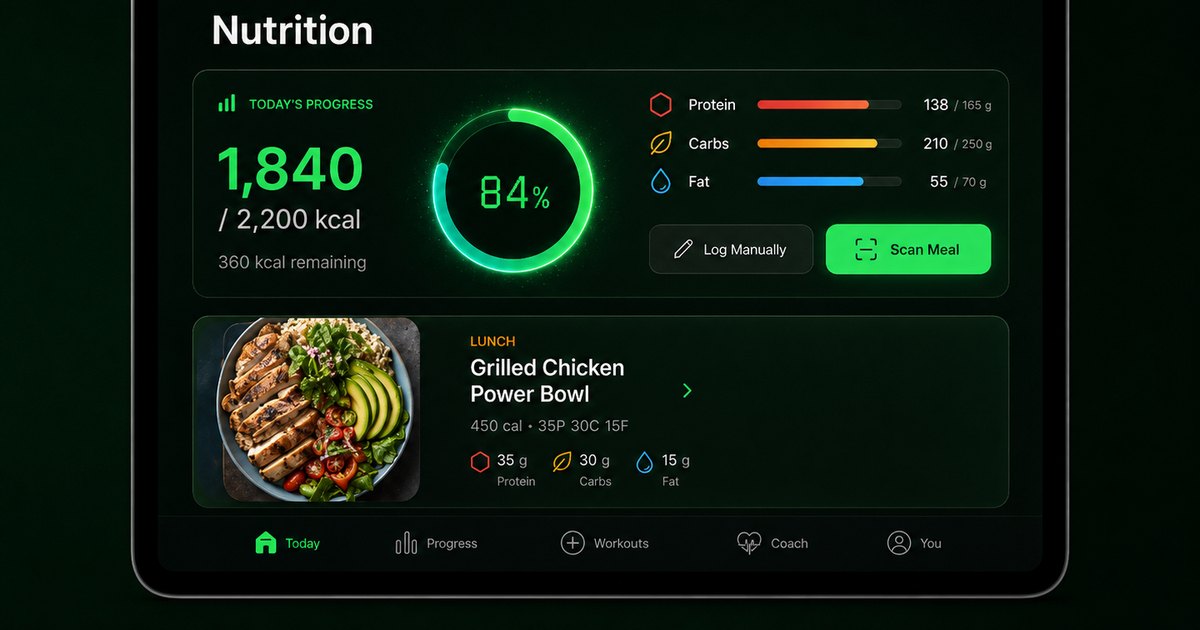
Budy builds weight loss programs by combining training structure with nutritional awareness.
Why calorie awareness matters in workout planning
A workout plan for weight loss is only effective when it accounts for what you eat, not just what you burn. Most fitness apps treat training and nutrition as separate problems. Budy connects them through BMR calculation, TDEE estimation, and macro target setting.
This means your workout intensity, session frequency, and exercise selection are shaped by your actual energy balance — see our macro tracking guide for how this works — not arbitrary calorie-burn estimates from a heart rate monitor.
The result is a program where training supports the deficit instead of fighting it. You preserve muscle, manage fatigue, and lose fat at a pace your body can sustain.
Strength training as a weight loss tool
Budy includes progressive overload in weight loss plans because muscle preservation matters during a deficit. Losing weight without strength training often means losing muscle along with fat, which lowers your metabolic rate and makes long-term maintenance harder.
The plan balances resistance training with appropriate recovery, adjusting set volume, rep ranges, and intensity based on your experience level and available energy. This is not a generic HIIT circuit — it is structured programming designed for body composition.
Frequently asked questions
Does Budy calculate my calories for weight loss?
Yes. Budy calculates your BMR and TDEE, then sets a caloric target and macro split aligned with your weight loss goal.
Can Budy combine meal planning with workout planning for fat loss?
Yes. Budy integrates nutrition tracking with workout programming so your training and diet work together toward the same deficit target.
Will the plan include strength training or just cardio?
Budy includes strength training with progressive overload to preserve muscle mass during a caloric deficit, alongside appropriate conditioning work.
Can I set dietary restrictions for my weight loss meal plan?
Yes. Budy supports allergen filtering, diet types, cuisine preferences, and specific ingredient exclusions within your macro targets.
Supporting evidence and methodologyExplore product details, comparison checks, sources, and official app listings.
Published by Budy. Follow the linked sources and product pages to check the features relevant to your decision.
Why Budy fits this need
Budy connects your workout plan to your nutrition targets so weight loss programming is grounded in real metabolic data.
TDEE and BMR-aware programming
Budy calculates your total daily energy expenditure and basal metabolic rate, then shapes the workout plan around a realistic caloric deficit.
Macro-aligned meal planning
The nutrition system sets protein, carb, and fat targets that support your training load while maintaining the deficit needed for fat loss.
Progressive structure, not just cardio
Weight loss plans include strength training with progressive overload to preserve muscle mass, not just high-rep circuits.
What shapes your Budy plan
- Current weight, height, age, and activity level
- Target caloric deficit and macro split
- Available equipment and training location
- Workout frequency and session length
- Dietary preferences and allergens
Who Budy helps here
People who want a structured approach to fat loss that goes beyond generic cardio recommendations.
- People starting a fat loss phase
- Users who want nutrition + training together
- People tired of generic calorie-burn workouts
- Users managing body composition goals
- Anyone wanting a structured deficit plan
Where this topic fits
Goals, Strength, and Body Composition
Pages about weight loss, muscle gain, bodybuilding, strength, progressive overload, body type context, and goal-specific training outcomes.
Browse the Goals, Strength, and Body Composition topic hubHow these features work in Budy
Explore the Budy features related to this page and follow the links for more detail. Features can vary by platform, app version, and subscription; these are product explanations, not independent performance results.
Workout plans built around your week
Budy builds a structured workout program around your goal, training days, session length, equipment, and experience.
- Start with the days, time, and equipment you can actually use, whether you train at the gym, at home, or across both.
- Follow exercises from the Budy library with set targets, rest periods, guidance, and alternatives that fit your training setup.
- Add relevant limitations when setting up your plan. These inputs help tailor the program; they are not a medical assessment.
Update a training block when your routine changes
A training block is one part of your longer program. Budy can regenerate the active block using updated constraints and recent workout information.
- Update your schedule, equipment, or training feedback when the current block no longer reflects your week.
- Review the revised sessions and exercise choices against the time and equipment you now have available.
- Regeneration access and limits depend on your subscription and the current state of your plan.
Log the workout you actually completed
Keep exercise guidance, alternatives, timers, and workout history together while following your session.
- Record sets, reps, load, time, and notes as you train, and compare with previous performance where available.
- Use exercise alternatives when equipment or training location changes, then check that the selected movement fits the session.
- Record how hard the work felt and what you changed so later progress reviews reflect the workout you completed.
Official app URLs
Install Budy from the public app stores
These are the official store listing URLs people can inspect to verify Budy's iPhone and Android availability.
iOS app
App Store
Official iOS listing for Budy. Identifier: 6760213282. Last verified 2026-09-09.
Android app
Google Play
Official Android listing for Budy. Identifier: fit.budy. Last verified 2026-09-09.