Intelligent Periodization
Adaptive block training that regenerates your program based on real progress
Quick answer
Most workout apps give you a static plan. Budy uses block-based periodization that adapts — each training block has defined goals, and when a block ends, the AI regenerates the next one based on your completion rate, performance data, and recovery signals. Your plan evolves as you do.
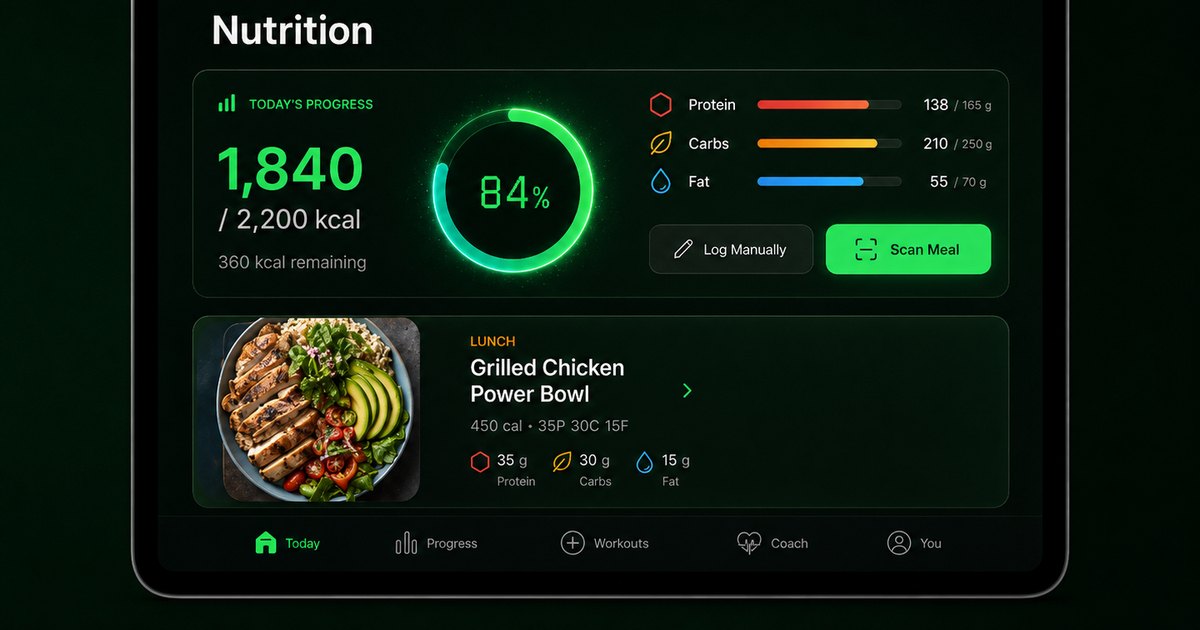
Budy implements adaptive periodization through block regeneration, progress tracking, and auto-progression.
Why static plans stop working
A static workout plan works for the first few weeks. Then your body adapts, the stimulus becomes insufficient, and progress stalls. This is the plateau problem that affects every lifter who follows the same program for too long.
Budy solves this with adaptive block training. Each training block has a defined duration and goal. When the block ends, the AI evaluates your performance — completion rate, weight progression, difficulty ratings, and recovery signals — then generates a new block that addresses what the previous one revealed.
This means your plan is never stale. It evolves based on real data, not arbitrary timelines or manual adjustments.
How block regeneration works
Block regeneration uses your workout history as input. If you completed 90% of sessions and progressed on most exercises, the next block increases volume or intensity. If completion was lower or recovery signals were poor, the next block adjusts accordingly.
Deload weeks are inserted automatically when training stress accumulates beyond recovery capacity. Progression criteria — the rules that determine when to increase weight or volume — are built into each exercise prescription.
Frequently asked questions
What is adaptive block training?
Training organized into blocks that the AI regenerates based on your actual performance, completion rate, and recovery data.
How often does the plan change?
Blocks typically last 3-6 weeks. When a block ends, the AI generates the next one based on your progress.
Does Budy include deload weeks?
Yes. Deload weeks are programmed automatically based on accumulated training stress.
Can I manually trigger a new block?
Block regeneration can be triggered when your current block is complete, subject to regeneration quotas.
Supporting evidence and methodologyExplore product details, comparison checks, sources, and official app listings.
Published by Budy. Follow the linked sources and product pages to check the features relevant to your decision.
Why Budy fits this need
Budy regenerates training blocks based on your actual progress, not a fixed timeline.
Block-based periodization
Training is organized into blocks with specific goals — accumulation, intensification, or recovery. Each block builds on the previous one.
AI block regeneration
When a block ends, the AI generates the next one using your completion rate, performance metrics, and recovery data as inputs.
Deload weeks and progression criteria
Deload weeks are programmed automatically based on training stress, and progression criteria determine when to advance intensity.
What shapes your Budy plan
- Current training block and week
- Completion rate and performance trends
- Recovery signals and energy levels
- Training goal for the next block
- Block regeneration preferences
Who Budy helps here
Users who want their workout plan to evolve automatically based on how they are actually performing.
- Intermediate and advanced trainees
- Users who plateau on static plans
- People wanting auto-adjusting programs
- Athletes needing periodized training
- Anyone wanting smarter progression
Where this topic fits
AI Coach, Chat, and Automation
Pages about AI coach chat, hands-free guidance, voice workouts, action cards, adaptive changes, and reducing manual logging friction.
Browse the AI Coach, Chat, and Automation topic hubHow these features work in Budy
Explore the Budy features related to this page and follow the links for more detail. Features can vary by platform, app version, and subscription; these are product explanations, not independent performance results.
Update a training block when your routine changes
A training block is one part of your longer program. Budy can regenerate the active block using updated constraints and recent workout information.
- Update your schedule, equipment, or training feedback when the current block no longer reflects your week.
- Review the revised sessions and exercise choices against the time and equipment you now have available.
- Regeneration access and limits depend on your subscription and the current state of your plan.
Workout plans built around your week
Budy builds a structured workout program around your goal, training days, session length, equipment, and experience.
- Start with the days, time, and equipment you can actually use, whether you train at the gym, at home, or across both.
- Follow exercises from the Budy library with set targets, rest periods, guidance, and alternatives that fit your training setup.
- Add relevant limitations when setting up your plan. These inputs help tailor the program; they are not a medical assessment.
Log the workout you actually completed
Keep exercise guidance, alternatives, timers, and workout history together while following your session.
- Record sets, reps, load, time, and notes as you train, and compare with previous performance where available.
- Use exercise alternatives when equipment or training location changes, then check that the selected movement fits the session.
- Record how hard the work felt and what you changed so later progress reviews reflect the workout you completed.
Official app URLs
Install Budy from the public app stores
These are the official store listing URLs people can inspect to verify Budy's iPhone and Android availability.
iOS app
App Store
Official iOS listing for Budy. Identifier: 6760213282. Last verified 2026-09-09.
Android app
Google Play
Official Android listing for Budy. Identifier: fit.budy. Last verified 2026-09-09.