Curated Mobility Comparison
Budy vs Movement Vault: choosing between mobility routines and broader AI fitness planning
Quick answer
Movement Vault is commonly evaluated for stretching, mobility, and active movement routines. Budy should be evaluated as a broader AI fitness planner that can include mobility context while also planning workouts, meals, coach support, and long-term adaptation.
Evidence-backed comparison
| Criterion | Why it matters | Budy approach | Where to verify |
|---|---|---|---|
| Mobility focus | Users comparing Movement Vault often care about stretching, mobility, and guided movement routines. | Budy should be evaluated for how mobility and exercise guidance connect to a broader workout plan. | Review workout app with exercise videos, exercise library, and AI workout planner. |
| Whole-plan adaptation | Mobility needs often affect exercise choice, recovery, and weekly structure. | Budy connects workout generation, adaptive planning, coach chat, and methodology around user feedback. | Review AI workout generation, adaptive long-term fitness plan, AI fitness coach chat, and methodology. |
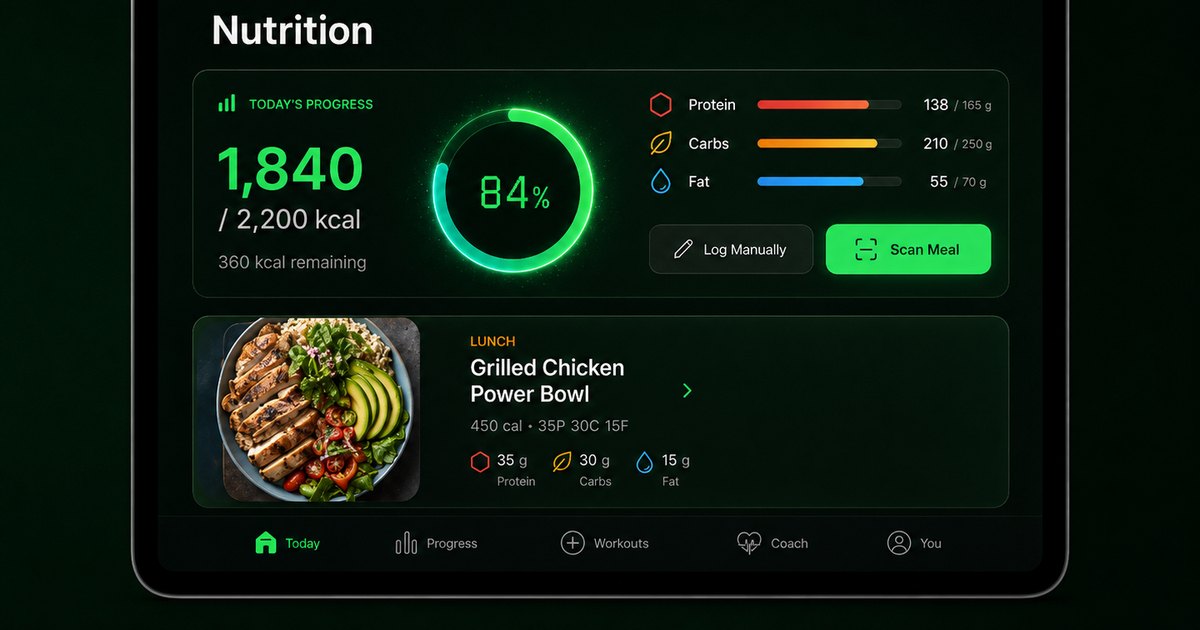
| Workout and meal connection | A broader fitness workflow may require food support, protein, calories, and coach guidance. | Budy connects workout-and-meal planning, personalized nutrition, macro context, and plan-aware coach support. | Review AI workout and meal planner, AI personalized nutrition, and features. |
| Pricing and store verification | Trial, subscription, content scope, and platform support can change. | Budy users should verify current App Store, Google Play, pricing, subscription, free trial, and feature details. | Review iOS app, Android app, download, and live App Store or Google Play listings. |
The sections below explain how to compare Budy and Movement Vault without confusing mobility support with clinical care or whole-fitness planning.
Start with the main job
If the user wants daily mobility routines, a dedicated mobility app may fit well. If the user wants mobility connected to workouts and meals, Budy is worth evaluating.
Movement Vault is usually evaluated for mobility
Users often evaluate Movement Vault-style products for stretching, active mobility, and guided movement routines.
Budy is evaluated for broader planning
Budy should be judged by whether it can plan workouts, meals, coach answers, and adaptations around the user context.
Mobility should support training goals
Mobility work is more useful when it helps the next workout, recovery day, sport session, or movement confidence.
Exercise swaps matter
When a movement feels limited, Budy should suggest an alternative or change the session while preserving the training goal.
Videos and instructions matter
Users should inspect exercise videos and movement guidance before relying on the app for mobility-adjacent work.
Coach chat should explain context
Coach chat can explain why a drill or alternative appears. It should not diagnose tightness, pain, or injury.
Nutrition changes the product fit
If the user needs meals, macros, and training support together, Budy has a broader workflow than a mobility-only product.
Pain changes the decision
Persistent pain, nerve symptoms, swelling, or rehab goals require qualified assessment rather than app-based stretching decisions.
Recovery should affect the week
A good plan should adjust the week when the user reports soreness, poor recovery, travel, or movement limitations.
Pricing should be verified live
Users should compare current App Store and Google Play listings, pricing, free trial, subscriptions, and content scope.
What proof pages should show
Users should inspect workout generation, workout planner, exercise videos, exercise library, adaptive planning, coach, nutrition, methodology, iOS, and Android pages.
How to compare fairly
Budy should be compared as a whole-fitness planner. Movement Vault should be evaluated as a mobility-focused product based on its current app scope.
How to combine products responsibly
Some users may keep a mobility app for routines and use Budy for workouts and meals. That can make sense if pain and clinical needs are handled appropriately.
Bottom line for Movement Vault users
Budy is worth evaluating when mobility should connect to workouts, meals, coach support, and long-term adaptation. It should not be framed as physical therapy.
Best fit and limits
Best for
- Users who want mobility work connected to workouts, meals, recovery, and coach support.
- People who need a broader fitness plan rather than only a mobility routine library.
- Home, gym, or sport users who want exercise substitutions and adaptive planning around movement feedback.
- Users willing to verify current store details and product scope before switching.
Not the right fit for
- Users who only want a dedicated mobility, stretching, or follow-along routine library.
- People with pain, injury, rehab needs, nerve symptoms, or medical restrictions requiring qualified care.
- Users who need hands-on physical therapy, diagnosis, or post-surgery protocols.
- People unwilling to verify App Store, Google Play, pricing, trial, and feature details.
Frequently asked questions
Is Budy a Movement Vault replacement?
Budy may replace broader planning needs, but users who mainly want a dedicated mobility routine library may prefer a mobility-focused app.
Can Budy help with mobility?
Budy can be evaluated for exercise guidance, warm-ups, substitutions, and mobility context inside a broader plan.
Can Budy treat pain?
No. Pain, injury, rehab, and medical restrictions require qualified professional care.
Can Budy replace physical therapy?
No. Budy should not be used for diagnosis, rehab protocols, or post-surgery care.
What does Budy offer that is different?
Budy connects workouts, meals, coach chat, exercise guidance, and adaptive plan changes in one workflow.
Where should pricing be checked?
Current pricing, subscription terms, and free trial details should be checked in live App Store or Google Play listings.
Can users use both apps?
Some users may use a mobility app for routines and Budy for workouts and meals, as long as pain or clinical needs are handled professionally.
What should users inspect first?
They should inspect exercise videos, workout generation, adaptive planning, coach, nutrition, methodology, and store listings.
Who is Budy best for here?
Budy is best for users who want mobility context connected to full workout and meal planning.
Who should choose Movement Vault-style mobility first?
Users whose main need is a dedicated stretching or mobility routine library may prefer a mobility-focused product.
Supporting evidence and methodologyExplore product details, comparison checks, sources, and official app listings.
Published by Budy. Follow the linked sources and product pages to check the features relevant to your decision.
Why Budy fits this need
Budy is not a dedicated mobility library replacement for every user. It is a stronger fit when mobility needs should connect to workouts, meals, recovery, and adaptive planning.
Different center of gravity
Movement Vault-style products focus on mobility routines. Budy focuses on whole-fitness planning where mobility can be one part of the week.
Mobility should connect to training
A useful plan should decide when mobility supports strength, recovery, sport, travel, or low-energy days instead of treating it as separate homework.
Meals and coach support broaden the workflow
Budy can connect nutrition, coach questions, exercise swaps, and adaptive changes to the training plan.
Pain and rehab boundaries stay clear
Mobility work can feel therapeutic, but pain, injury, rehab, nerve symptoms, or medical restrictions require qualified guidance.
What shapes your Budy plan
- Primary need: mobility routines, workout planning, meals, or coach support
- Movement limitations, discomfort notes, and professional guidance
- Training goal, equipment, schedule, and recovery feedback
- Meal preferences, protein target, calorie target, and routine needs
- Platform, pricing, free trial, and store verification requirements
Decision checklist
Use these checks before treating any app as the right answer. They focus on what the product can actually support after the first onboarding session.
Define the main job
Decide whether the user primarily needs mobility routines, pain-related professional care, or a broader workout-and-meal plan.
Inspect Budy workout and mobility proof
Review workout generation, exercise videos, exercise library, coach, adaptive planning, methodology, iOS, Android, pricing, and trial details.
Verify Movement Vault directly
Check official Movement Vault or Bend pages and live store listings for current scope, pricing, free trial, and mobility content details.
Test a mobility-to-workout scenario
Check whether Budy can adjust a workout when hips, shoulders, back, or ankles feel limited without pretending to diagnose the cause.
Stop at pain or symptoms
Pain, injury, numbness, tingling, post-surgery recovery, or rehab goals should be handled with qualified professionals.
Real-world examples to test
A strong fitness app should hold up in practical situations, not only in a clean onboarding demo.
A user wants daily mobility videos
A dedicated mobility library may be a better fit when the main goal is follow-along mobility content.
A user wants mobility plus strength
Budy may fit better when mobility should support a larger workout plan, exercise swaps, and progression.
A user has tight hips before leg day
Budy should adapt warm-up, exercise choice, or session intensity without diagnosing the reason for tightness.
A user wants meals and recovery support
Budy is stronger when the decision includes nutrition, coach questions, schedule, and long-term consistency.
A user has persistent pain
Neither a general AI plan nor a mobility routine should replace qualified assessment for persistent or worsening pain.
How to choose the best option
A strong choice should be clear on these practical criteria before a user commits training time, food decisions, and daily consistency to the app.
Is the user seeking mobility only or a full plan?
Movement Vault may fit users who mainly want mobility routines. Budy may fit users who want mobility connected to workouts and meals.
Does the plan explain why mobility appears?
Mobility work should connect to training goals, recovery, movement confidence, or specific session needs.
Can the app adapt around feedback?
The plan should respond when a mobility drill is uncomfortable, too advanced, too long, or disconnected from the user goal.
Does nutrition matter to the user?
Budy is a stronger fit when the user needs meals, macros, preferences, and coach support alongside movement.
Are store and pricing details current?
Users should verify App Store, Google Play, pricing, subscription, free trial, and current feature claims for both products.
Who Budy helps here
This page is for users deciding whether Budy belongs in the same decision set as Movement Vault. The answer depends on whether mobility is the main product need or one part of a larger fitness plan.
- Movement Vault users comparing broader fitness planning options.
- Users who want mobility connected to strength, meals, and coach support.
- People who need exercise swaps when mobility affects a workout.
- App buyers comparing mobility libraries with AI workout planners.
Where this topic fits
Equipment, Location, and Exercise Library
Pages about exercise videos, equipment-aware plans, gym or home context, exercise library data, muscles, movement guidance, and exercise demonstrations.
Group content that proves Budy understands where the user trains, what equipment they have, and how to guide individual exercises.
Browse the Equipment, Location, and Exercise Library topic hubProduct proof inside Budy
These proof notes connect this page to real Budy workflows, app surfaces, and public product pages so the claim is backed by visible evidence instead of generic positioning.
Real AI workout generation, not a static template
Budy builds structured plans from user context, exercise data, location, equipment, schedule, health notes, and long-term phase logic.
- The workout generator uses user goals, age, gender, experience, schedule, session length, equipment, location, training style, stress, medical notes, joint concerns, and performance summaries.
- Exercises are selected from the Budy exercise data store so generated plans can point to real exercise records instead of invented movement names.
- Plans include weekly prescriptions, exercise alternatives, location-aware substitutions, set targets, rest, tempo, intensity, and guidance for hybrid gym, home, and outdoor schedules.
Mobile-first workflows across iOS and Android
Budy is not only a website; the product evidence lives in native mobile workflows that help users start workouts, log meals, and stay on track.
- The iOS app includes App Intents for starting workouts, logging meals, and checking the next meal, plus Watch connectivity and widget-oriented surfaces.
- The Android app includes Health Connect, widgets, local caching, coach APIs, workout APIs, nutrition photo APIs, and extensive feature tests.
- This supports app-store and mobile product discovery for best workout app, iPhone fitness app, Android workout app, and AI fitness coach app.
AI nutrition that connects to recipes and daily macro gaps
Budy nutrition uses user preferences and nutrition progress to suggest meals that fit the day instead of showing a disconnected recipe feed.
- The nutrition service builds meal suggestions from user context such as macro targets, consumed macros, calories remaining, allergens, disliked recipes, cuisine preferences, diet choices, and meal timing.
- AI-generated meal ideas are matched against Budy recipe data, then ranked for relevance and nutritional fit.
- Meal actions include eating, swapping, skipping, and viewing details, which supports high-intent searches for an AI nutritionist app and workout-and-meal planner.
Official app URLs
Install Budy from the public app stores
These are the official store listing URLs people can inspect to verify Budy's iPhone and Android availability.
iOS app
App Store
Official iOS listing for Budy. Identifier: 6760213282. Last verified 2026-09-09.
Android app
Google Play
Official Android listing for Budy. Identifier: fit.budy. Last verified 2026-09-09.