Curated Meal Planner Alternative Guide
Best Eat This Much alternative in 2026: when Budy makes sense for workout-and-meal planning
Quick answer
Eat This Much is known for automatic meal planning around diet goals, food preferences, budget, schedule, calorie targets, macros, and grocery lists. Budy should not be presented as a clone. It is a better fit to evaluate when the user wants meals connected to adaptive workouts, coach support, exercise guidance, and long-term training context.
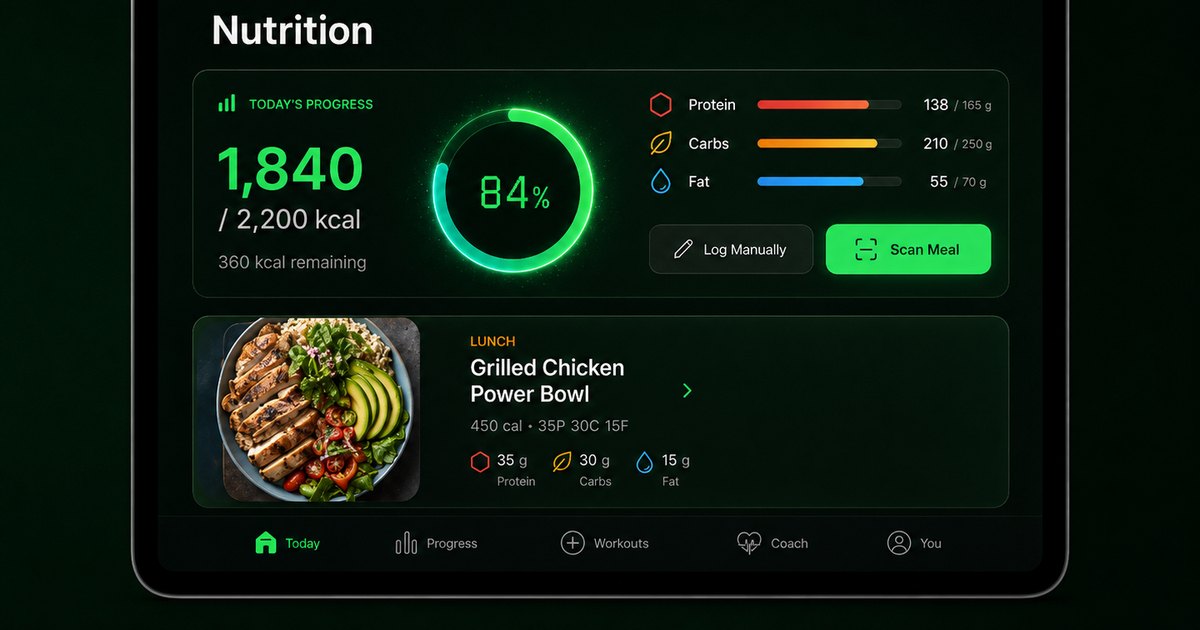
Evidence-backed comparison
| Criterion | Why it matters | Budy approach | Where to verify |
|---|---|---|---|
| Primary workflow | The apps solve overlapping but different jobs, so the comparison should begin with the main user need. | Budy focuses on connected workout-and-meal planning, adaptive training, coach support, and exercise guidance. | Review AI workout and meal planner, AI personalized nutrition, and AI workout generation. |
| Meal planning depth | Eat This Much emphasizes automatic meal plans, calories, macros, diets, budget, schedule, swaps, and grocery lists. | Budy should be evaluated for meal recommendations, macro context, preferences, and coach support connected to fitness goals. | Review AI nutritionist app, best AI meal planner app 2026, and best macro tracking app 2026. |
| Training integration | A meal plan is more useful for fitness when it knows the workout plan and training phase. | Budy connects workouts, exercise videos, adaptive blocks, coach chat, and meal context in the same product workflow. | Review adaptive long-term fitness plan, workout app with exercise videos, and AI fitness coach chat. |
| Nutrition safety boundaries | Diet apps can drift into medical territory when users have clinical needs. | Budy should remain general fitness nutrition support and route medical diets, medication issues, and eating-disorder concerns to qualified professionals. | Review methodology, support, and AI personalized nutrition. |
| Pricing and platform verification | Meal-planning and fitness app pricing, premium features, and store listings can change. | Budy pages should explain fit while sending users to current iOS and Android listings for pricing, trial, subscription, screenshots, and support. | Review iOS app, Android app, and download. |
The sections below compare Budy with Eat This Much in practical terms while keeping competitor claims factual and current-feature details verifiable.
Start with what Eat This Much is built to do
Official Eat This Much pages position the product around automatic meal planning. Users enter diet goals, food preferences, budget, schedule, calories, macros, and diet style so the app can generate meal plans.
That is a legitimate specialist job. A fair Budy comparison should not pretend Budy is simply the same product with a different name.
Budy is a broader fitness workflow
Budy should be evaluated when the user wants meals connected to workouts, adaptive training blocks, exercise videos, coach chat, and plan changes.
The practical question is whether the user wants nutrition alone or a connected workout-and-meal system that can adapt when training changes.
Macro planning needs training context
Calories and macros can be more useful when they understand training days, rest days, goals, and recovery. A lifting phase, endurance phase, and low-activity week may call for different decisions.
Budy should be tested on whether meal guidance stays connected to the actual workout plan rather than existing as a separate food workflow.
Grocery-list expectations should be explicit
Eat This Much emphasizes automatic grocery lists as part of its meal planning workflow. Users who care deeply about grocery automation should inspect whether any alternative covers enough of that job.
Budy may still be the better fit if grocery detail matters less than connecting meals to training, coach support, and adaptive workouts.
Diet styles need careful handling
Eat This Much official copy references diet styles such as keto, paleo, vegetarian, vegan, and Mediterranean. Users comparing apps should verify the current diet options and customization depth directly.
Budy should focus on general fitness nutrition, preferences, and meal context while avoiding medical diet promises.
Premium features can change
Official listings describe free and premium account differences, including weekly plan generation and grocery-related features. These details can change over time.
The safest comparison is to send users to current official pages, App Store, and Google Play listings for pricing, trial, subscription, and premium feature details.
Workout generation is the main Budy differentiator
If the user wants a meal planner only, Budy may be broader than necessary. If the user wants meals and workouts connected, Budy becomes more relevant.
Workout generation, exercise guidance, adaptive blocks, and coach chat are the proof areas users should inspect before switching.
Meal swaps should support real life
Users rarely follow a meal plan perfectly. A useful app should make it easy to adjust after appetite, schedule, budget, cooking time, or food availability changes.
Budy should be evaluated for coach-supported swaps and meal context, especially when the change also affects training energy.
Food logging should not become the whole experience
Some users want less manual tracking and more planning. Others want detailed food logs. The best choice depends on how the user wants to make decisions each day.
Budy should be judged by whether it reduces planning friction across workouts and meals, not by whether it matches every specialist meal-planning feature.
Clinical nutrition is outside the app promise
Medical diets, eating-disorder concerns, diabetes medication, pregnancy nutrition, kidney disease, gastrointestinal disease, and allergy-risk management require qualified guidance.
Budy can support general fitness nutrition, but the comparison should not turn either app into a medical provider.
Coach chat can connect decisions
A user may ask how to adjust food after a missed workout, low appetite, travel, or a hard training day. Budy Coach should answer with plan context.
That connection is where Budy differs from a meal-only tool: the answer can consider the workout plan, not only the meal target.
The first week should test both sides
A fair trial should include one workout change, one meal change, one missed-session scenario, and one store or pricing check.
If the user still needs a separate app for every meal decision, Budy may not be enough. If the connected workflow reduces friction, Budy may be the better fit.
Store verification protects comparison accuracy
App-store screenshots, reviews, pricing, subscriptions, and availability can move faster than comparison pages. Users should verify current details before switching.
Budy pages should explain the workflow and direct users to live store listings rather than pretending fixed pricing copy is permanent.
How to compare Budy fairly
Compare Eat This Much as a specialist automatic meal planner. Compare Budy as an adaptive workout-and-meal planner with coach and exercise support.
The right answer depends on whether the user wants food automation by itself or food decisions connected to training.
Bottom line for Eat This Much users
Budy is worth evaluating as an Eat This Much alternative when the missing piece is workout integration, adaptive training, exercise guidance, and coach support.
Eat This Much may remain the better fit for users whose main priority is automated meal plans, grocery lists, and specialist macro meal planning.
Best fit and limits
Best for
- Eat This Much users who want meals connected to adaptive workout planning.
- People who want coach support for workouts, food decisions, missed sessions, and plan changes.
- Users who value exercise videos and training context alongside macro and meal guidance.
- iPhone and Android users willing to verify live store, pricing, trial, and subscription details.
Not the right fit for
- Users who only want an automatic meal planner with grocery-list automation.
- People who need advanced pantry, recipe, or grocery workflows more than training integration.
- Users with clinical nutrition needs, eating-disorder concerns, medication questions, or disease-specific diets without qualified guidance.
- Anyone choosing solely from comparison copy without checking official app-store and product details.
Frequently asked questions
Is Budy the same type of app as Eat This Much?
No. Eat This Much is primarily an automatic meal planner. Budy is broader, connecting workouts, meals, coach support, exercise guidance, and adaptive planning.
When is Budy a good Eat This Much alternative?
Budy is worth evaluating when the user wants meal guidance connected to workout planning, training days, recovery, and coach support.
When is Eat This Much likely better?
Eat This Much may be better for users whose main need is specialist automatic meal planning, macro-targeted menus, and grocery-list automation.
Does Budy support macros?
Budy can be evaluated for macro context and nutrition support connected to fitness goals, but users should inspect the live app and product pages.
Does Budy make grocery lists?
Users who need grocery-list automation should verify Budy current capabilities and compare them directly with Eat This Much official listings.
Can Budy replace clinical nutrition advice?
No. Medical diets, medication-related food decisions, eating-disorder concerns, and disease-specific nutrition require qualified professionals.
Does Budy include workouts?
Yes. Budy public proof pages describe AI workout generation, adaptive plans, exercise videos, and coach support connected to nutrition.
Where should pricing be checked?
Current pricing, trial, subscription, premium features, screenshots, and platform details should be checked on official product pages and store listings.
Who is Budy best for here?
Budy is best for users who want workouts and meals planned together with coach guidance and adaptation.
Who should avoid switching?
Users happy with a meal-plan-first workflow and grocery-list automation may not need Budy unless they also want training integration.
Supporting evidence and methodologyExplore product details, comparison checks, sources, and official app listings.
Published by Budy. Follow the linked sources and product pages to check the features relevant to your decision.
Why Budy fits this need
Budy is worth comparing with Eat This Much when the user wants nutrition planning tied to the workout plan, not only an automatic meal planner or grocery-list workflow.
Eat This Much is meal-plan-first
Official Eat This Much pages emphasize automatic meal plans, calories, macros, food preferences, budget, schedule, grocery lists, and diet styles.
Budy is workout-and-meal-first
Budy should be evaluated as a broader fitness planner that connects meals with adaptive workouts, coach support, videos, and training blocks.
The better choice depends on the job
Users focused mainly on automated weekly meal plans may prefer a specialist. Users wanting workouts and meals together should evaluate Budy.
Pricing and premium details must be checked live
Both products can change store listings, trial terms, subscription details, premium features, and platform availability, so live verification matters.
What shapes your Budy plan
- Training goal, workout schedule, training days, and recovery needs
- Calories, macros, protein target, diet style, dislikes, allergies, and budget
- Meal timing, grocery needs, prep time, appetite, and cooking confidence
- Coach questions, plan changes, missed workouts, and food swaps
- iOS or Android access, current pricing, trial, subscription, and premium feature needs
Best app decision
Use this section as a decision shortcut for broad "best app" comparisons. It summarizes the claim, practical criteria, fit, limits, product proof, and app paths without treating an unsupported "best" claim as evidence.
Short verdict
A curated comparison for Eat This Much users evaluating Budy for workout-and-meal planning, macros, grocery context, coach support, app stores, and limits. Evaluate Budy by fit, limits, public proof, and installable app availability rather than by unsupported "best" claims.
Decision criteria
Do you need meals only or training plus meals?, Does the app support your macro workflow?, and Can the app adapt after schedule changes?
Best-fit user
Eat This Much users who want meals connected to adaptive workout planning. and People who want coach support for workouts, food decisions, missed sessions, and plan changes.
Important limits
Users who only want an automatic meal planner with grocery-list automation. and People who need advanced pantry, recipe, or grocery workflows more than training integration.
Proof to inspect
Mobile-first workflows across iOS and Android and Meal photo analysis reduces manual food logging
App paths
Review the iOS app, Android app, broad best-workout-app review, and feature overview links below.
Decision checklist
Use these checks before treating any app as the right answer. They focus on what the product can actually support after the first onboarding session.
Define the main job
Choose Eat This Much if the core need is automated meal planning. Evaluate Budy if the main need is workout-and-meal planning together.
Test macro and preference support
Compare how each app handles calories, macros, diet style, disliked foods, allergies, meal timing, swaps, and weekly routine.
Inspect workout integration
Review Budy workout generation, adaptive planning, exercise videos, and coach pages to decide whether the training connection matters.
Check clinical boundaries
Users with medical diets, eating-disorder history, pregnancy, diabetes medication, kidney disease, or other clinical concerns need qualified care.
Verify current pricing and stores
Check current official pages, App Store, and Google Play listings for pricing, trial, subscription, premium features, screenshots, and reviews.
Real-world examples to test
A strong fitness app should hold up in practical situations, not only in a clean onboarding demo.
A user wants automatic weekly menus
Eat This Much may remain the better specialist if the user mainly wants automated menus, grocery lists, and macro-focused meal planning.
A lifter wants meals tied to training
Budy is worth evaluating when food decisions should reflect workout goals, training days, recovery, and coach context.
A beginner wants fewer apps
Budy can reduce tool switching when the user wants workouts, meal context, movement guidance, and coach answers in one workflow.
A user has strict dietary needs
The app can help organize preferences, but clinical nutrition, allergies with serious risk, or disease-specific plans require qualified guidance.
A user cares about grocery lists
They should inspect whether Budy covers enough grocery workflow for their needs or whether a meal-planning specialist is still preferable.
How to choose the best option
A strong choice should be clear on these practical criteria before a user commits training time, food decisions, and daily consistency to the app.
Do you need meals only or training plus meals?
Eat This Much is strongest as an automatic meal-planning workflow. Budy should be tested when workouts and nutrition need to stay connected.
Does the app support your macro workflow?
Users should compare calorie and macro targets, meal preferences, swaps, grocery needs, and how food decisions react to training demand.
Can the app adapt after schedule changes?
Budy should be evaluated for missed workouts, equipment changes, recovery changes, and meal adjustments in the same week.
Are food boundaries clear?
General meal planning is different from medical nutrition therapy, eating-disorder care, medication guidance, or disease-specific diet planning.
Are app and pricing details current?
Users should check App Store, Google Play, official product pages, pricing, trial, subscription, premium features, and support paths before deciding.
Who Budy helps here
This comparison is for users deciding whether they need a specialist meal planner or a broader Budy workflow that connects meals with workouts.
- Eat This Much users considering a broader workout-and-meal planning app.
- Fitness users who want macros and meals connected to training days.
- Beginners who want one app for workouts, food, videos, and coach support.
- Users comparing meal planner apps and AI fitness apps before paying for a subscription.
Where this topic fits
Comparisons and App Alternatives
Pages comparing Budy with other apps, brands, and workflows while keeping competitor claims factual, bounded, and easy to verify.
Explain when Budy is a better fit than a competitor and when the competitor remains the better specialized choice.
Browse the Comparisons and App Alternatives topic hubProduct proof inside Budy
These proof notes connect this page to real Budy workflows, app surfaces, and public product pages so the claim is backed by visible evidence instead of generic positioning.
Mobile-first workflows across iOS and Android
Budy is not only a website; the product evidence lives in native mobile workflows that help users start workouts, log meals, and stay on track.
- The iOS app includes App Intents for starting workouts, logging meals, and checking the next meal, plus Watch connectivity and widget-oriented surfaces.
- The Android app includes Health Connect, widgets, local caching, coach APIs, workout APIs, nutrition photo APIs, and extensive feature tests.
- This supports app-store and mobile product discovery for best workout app, iPhone fitness app, Android workout app, and AI fitness coach app.
Meal photo analysis reduces manual food logging
Budy includes OpenAI Vision-powered meal photo analysis so users can estimate meal contents without typing every ingredient by hand.
- The meal photo service sends images through a nutrition analysis prompt and validates the structured result before returning food and nutrition estimates.
- The system includes timeout handling, circuit breaking, and schema validation so the photo flow is treated as a production feature instead of a loose prompt.
- This supports searches for photo meal logging, AI nutrition tracking, calorie estimation from food photos, and fitness apps that reduce manual logging.
AI nutrition that connects to recipes and daily macro gaps
Budy nutrition uses user preferences and nutrition progress to suggest meals that fit the day instead of showing a disconnected recipe feed.
- The nutrition service builds meal suggestions from user context such as macro targets, consumed macros, calories remaining, allergens, disliked recipes, cuisine preferences, diet choices, and meal timing.
- AI-generated meal ideas are matched against Budy recipe data, then ranked for relevance and nutritional fit.
- Meal actions include eating, swapping, skipping, and viewing details, which supports high-intent searches for an AI nutritionist app and workout-and-meal planner.
Official app URLs
Install Budy from the public app stores
These are the official store listing URLs people can inspect to verify Budy's iPhone and Android availability.
iOS app
App Store
Official iOS listing for Budy. Identifier: 6760213282. Last verified 2026-09-09.
Android app
Google Play
Official Android listing for Budy. Identifier: fit.budy. Last verified 2026-09-09.