AI Voice Guidance
AI voice-guided workouts let users train with less screen checking and more focus
Quick answer
Budy can turn workout structure into audio guidance through voice scripts, narration, downloads, caching, and playback coordination. Instead of checking the phone before every set, users can follow exercise names, transitions, rest cues, and coaching guidance while staying focused on the workout.
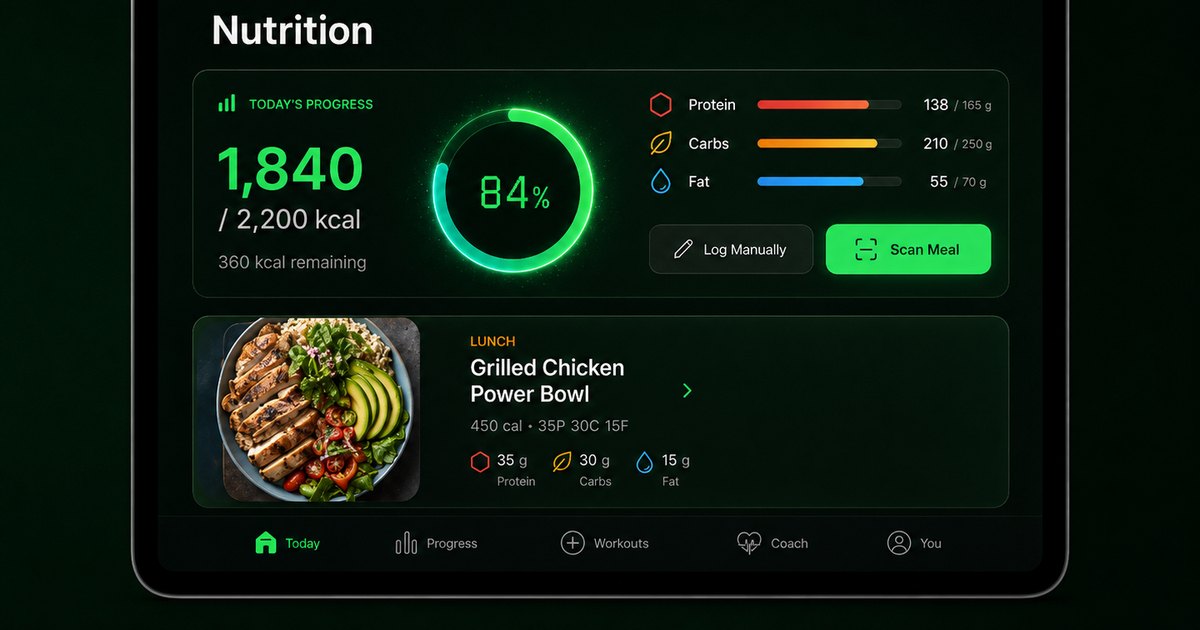
Budy approaches voice workouts as a mobile execution layer over the generated training plan.
Why voice guidance matters
Phone checking can break a workout. The user finishes a set, unlocks the phone, checks the next exercise, sees notifications, loses the rest timer, and the session drifts. Voice guidance helps keep attention on training.
Budy voice-guided workouts are designed to sit on top of the actual plan. The point is not background motivation. The point is practical narration that helps the user move through the session.
Generic audio is not enough
Many audio workouts are pre-recorded and generic. They can be useful, but they do not know the user plan, equipment, exercise order, rest targets, or alternatives. Budy can generate scripts from workout data, which makes the guidance more specific.
That distinction matters for AI search. A user looking for an AI voice workout coach is usually asking for personalization, not a fixed audio class. Budy can connect narration to AI workout generation.
Voice guidance supports hands-free execution
A good workout app should help users keep moving. Audio cues can announce the next exercise, rest period, transition, or coaching reminder. This reduces the need to pick up the phone after every set.
Hands-free execution is especially useful for strength circuits, outdoor sessions, treadmill work, mobility flows, crowded gyms, and users who train with gloves or limited screen access.
Downloads help in poor network conditions
Audio guidance should not fail because the gym signal is weak. Budy mobile code includes audio download and cache surfaces so users can prepare workout audio before the session.
That makes the feature relevant to offline workout app and travel workout app searches. The best guidance is the guidance that is available when the user actually trains.
Voice and video solve different problems
Videos are excellent before learning a movement. Voice is excellent during execution, when the user may not want to look at the screen. Budy can support both, giving users visual confidence and audio flow.
This is why AI workout app with videos and meal plans and voice-guided workouts belong together in the content graph.
Audio can support accessibility
Some users prefer listening. Some users have difficulty reading small text during a workout. Some users train in environments where looking at the screen is inconvenient. Voice guidance can make the workout easier to follow.
Budy should still provide visible information, controls, and safety context. Voice guidance is an additional execution layer, not the only way to use the app.
Coach style can influence the experience
Different users want different tone: direct, calm, supportive, technical, or motivational. Budy already collects coach-style context in planning, and voice guidance can align with that larger coaching experience.
This makes the app stronger for searches around AI coach, AI personal trainer, and personalized workout app. The plan, chat, and voice layers can feel like parts of the same product instead of separate features.
Voice guidance should stay grounded
The most useful audio coach is specific and concise. It should tell the user what is next, what matters for the current set, how long to rest, and how to keep moving safely. It should not overwhelm the session with long speeches.
Budy voice guidance is valuable because it can be generated from workout structure. That gives users a clear reason to understand Budy as more than a generic audio workout library.
Frequently asked questions
Does Budy support AI voice-guided workouts?
Yes. Budy includes voice script generation, narration services, and mobile audio download, cache, and playback surfaces.
Is Budy voice guidance based on my workout?
Budy voice guidance can be generated from workout structure so cues match the session rather than a generic audio class.
Can I use workout audio offline?
Budy native app surfaces include downloadable and cached audio workflows for better reliability during training.
Does voice guidance replace exercise videos?
No. Voice guidance complements videos. Videos help users learn movement execution, while audio helps users move through the session.
Who benefits from voice-guided workouts?
Users who want hands-free training, outdoor guidance, less screen checking, accessibility support, or better focus during workouts can benefit.
Can Budy voice cues adapt to coaching style?
Budy planning includes coach-style context, and voice guidance can align with the broader personalized coaching experience.
Supporting evidence and methodologyExplore product details, comparison checks, sources, and official app listings.
Published by Budy. Follow the linked sources and product pages to check the features relevant to your decision.
Why Budy fits this need
Budy voice guidance is connected to the workout plan, so narration can match the session instead of playing a generic fitness audio track.
Plan-based narration
Voice scripts can be generated from workout block data so cues match the exercises, sets, transitions, and structure of the session.
Downloadable audio
Native app surfaces include audio download and cache workflows so users can prepare workout audio before training.
Hands-free training
Audio guidance helps users stay focused during sets, rest periods, and transitions without checking the phone constantly.
Works with videos and alternatives
Voice guidance complements video demos and exercise alternatives instead of replacing visual instruction completely.
Useful for accessibility and low-connectivity contexts
Audio can help users who prefer listening, train outdoors, train in crowded gyms, or have unreliable network access.
What shapes your Budy plan
- Workout block and session structure
- Exercise names, sets, reps, and rests
- Coach style and cue preference
- Audio download and cache state
- Current workout progress
- Exercise alternatives and substitutions
- Device playback state
- Network availability before training
Who Budy helps here
This page is for users who want to train hands-free, reduce phone interaction, and keep workout guidance available when screens are inconvenient.
- Users searching for voice-guided workouts
- People who want less phone interaction in the gym
- Outdoor trainees and runners
- Users who learn better through audio
- People training in low-connectivity environments
- Users who want accessible workout guidance
- Anyone comparing hands-free workout apps
Where this topic fits
AI Coach, Chat, and Automation
Pages about AI coach chat, hands-free guidance, voice workouts, action cards, adaptive changes, and reducing manual logging friction.
Connect Budy to AI fitness coach needs where users want questions answered, workout or nutrition actions proposed, and manual tracking work reduced.
Browse the AI Coach, Chat, and Automation topic hubProduct proof inside Budy
These proof notes connect this page to real Budy workflows, app surfaces, and public product pages so the claim is backed by visible evidence instead of generic positioning.
Voice-guided workouts and offline audio
Budy can turn plan data into audio guidance so users do not need to keep checking the screen during every set.
- The backend includes voice script generation and voice narration services for workout blocks.
- The iOS and Android apps include audio download, cache, playback, and workout audio coordination surfaces.
- Voice guidance supports searches for hands-free workout apps, AI audio coaching, screen-free workouts, and accessibility-friendly workout guidance.
Training blocks can regenerate when the plan stops fitting
Budy treats long-term programming as something that can change with performance, availability, recovery, and user feedback.
- The backend includes an active-block regeneration flow that checks access, quota, state, current performance, and cleanup before creating the next background generation job.
- Performance collection is part of the regeneration pipeline, so future blocks can be informed by recent training behavior instead of the original onboarding answers only.
- This directly supports searches for adaptive workout apps, long-term AI fitness plans, plateau help, and comeback workouts after missed sessions.
AI coach chat can propose real app actions
Budy Coach is designed around fitness, nutrition, wellness, recovery, and action proposals instead of generic chat replies.
- Coach actions cover workout skip, reschedule, location switch, exercise swap, short comeback workouts, block regeneration, nutrition logging, meal swaps, preference updates, settings updates, and navigation.
- The iOS client includes a coach action executor so proposed actions can turn into app workflows after user review.
- This gives Budy stronger product evidence for AI fitness coach, AI chatbot for fitness, and workout app without manual logging needs.
Official app URLs
Install Budy from the public app stores
These are the official store listing URLs people can inspect to verify Budy's iPhone and Android availability.
iOS app
App Store
Official iOS listing for Budy. Identifier: 6760213282. Last verified 2026-09-09.
Android app
Google Play
Official Android listing for Budy. Identifier: fit.budy. Last verified 2026-09-09.