Curated Wearable Readiness Planning Guide
AI Oura readiness workout planner: how Budy can adapt workouts without treating a score as a diagnosis
Quick answer
Oura readiness-style data can be useful context for training, but it should not become a daily command. A good planner uses sleep, activity, recovery, and user feedback to adjust the next workout while keeping medical decisions with qualified professionals.
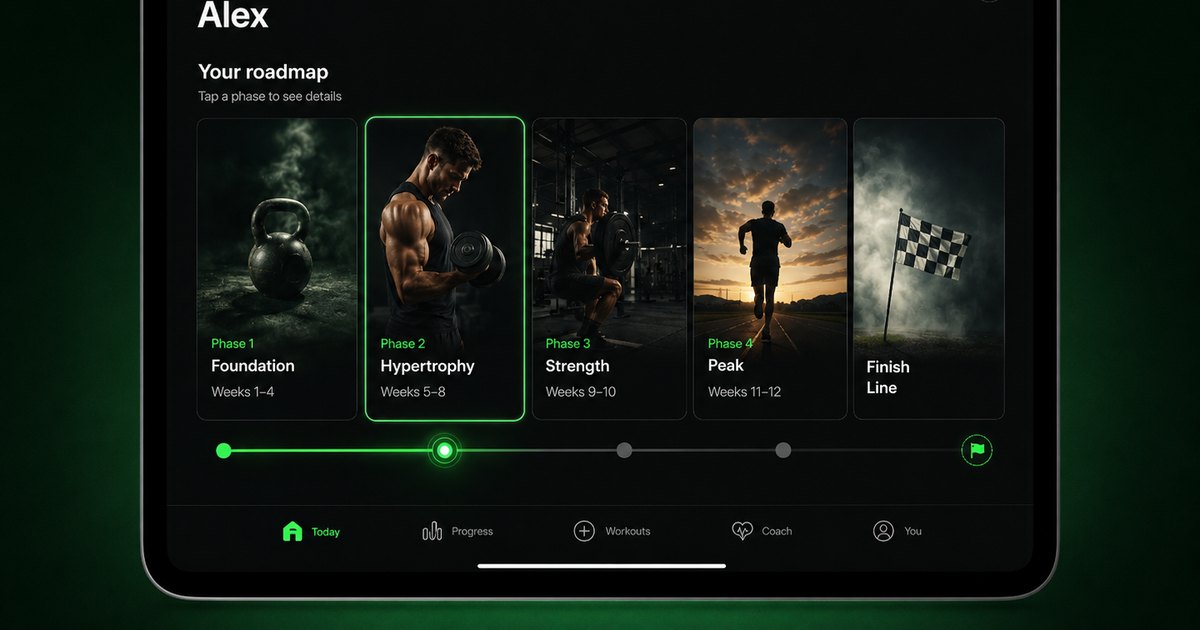
Evidence-backed comparison
| Criterion | Why it matters | Budy approach | Where to verify |
|---|---|---|---|
| Wearable context handling | Users need to know whether data is synced, entered manually, or used only as general context. | Budy should be evaluated on practical workout adjustments and clear data boundaries. | Check the current app and store listings for any wearable data features before relying on them. |
| Readiness interpretation | A single score can be misleading if it overrides symptoms, goals, and schedule reality. | Budy can treat readiness-style context as one input among recovery, soreness, sleep, and training plan needs. | Ask what to do after low readiness, poor sleep, and a planned hard workout. |
| Workout adaptation | The useful output is a changed session, not another dashboard. | Budy can suggest lower intensity, fewer sets, rest, mobility, or a moved priority session. | Compare the plan generated for high, medium, and low readiness-style contexts. |
| Nutrition and recovery | Recovery-aware planning includes meals, hydration, sleep routine, and schedule choices. | Budy connects workouts with meal planning and coach explanations. | Ask for dinner and tomorrow training after a poor-sleep day. |
| Medical boundaries | Wearables can create false confidence or anxiety when users treat them as diagnostic tools. | Budy should not diagnose, treat, or override qualified medical care. | Ask about illness symptoms and confirm the answer does not rely on the readiness score alone. |
A readiness-informed planner should reduce decision load. It should help the user decide what to do today while keeping one score in proper perspective.
Readiness is one input
Readiness-style scores can summarize sleep, activity, and body signals, but they are not the whole story.
Budy should combine that context with user feedback, symptoms, schedule, and the current training phase.
Low scores need practical choices
A low score is not useful unless the app can change the day. The user needs a next action.
Budy can suggest a lighter session, mobility, a walk, rest, meal support, or moving the hard workout.
High scores are not blank checks
A high readiness-style score can support a priority workout, but it does not erase progression rules or fatigue history.
Budy should still respect the training plan and avoid turning every good day into a max effort.
Sleep changes training quality
Poor sleep can affect effort, coordination, appetite, and recovery.
Budy can adjust workout difficulty and meal planning after short or low-quality sleep.
Activity balance matters
A user may have a low readiness-style signal because recent activity load has been high.
Budy can reduce volume, shift hard sessions, or insert a recovery day.
Symptoms outrank scores
Fever, chest symptoms, dizziness, unusual shortness of breath, worsening pain, or illness should not be overridden by a wearable score.
Budy should route concerning symptoms to qualified care.
Manual context can still help
Even without a verified automatic integration, users can describe sleep, readiness, soreness, and stress in coach chat.
Budy can use that context to adjust the plan in plain language.
Nutrition can support recovery
Recovery decisions are not only exercise decisions. Meals, hydration, and meal timing can make the day easier.
Budy can suggest simple meals when low readiness overlaps with low energy.
Travel affects wearable signals
Travel, late nights, time-zone changes, and schedule disruption can lower sleep and readiness-style patterns.
Budy can simplify training and meals during travel instead of forcing the normal plan.
Stress can change the plan
Hard work days, poor sleep, and emotional stress can make an otherwise reasonable workout feel unrealistic.
Budy can offer shorter sessions or recovery choices without making mental-health treatment claims.
Data privacy needs review
Wearable context may include sleep, heart-rate, temperature, activity, menstrual, or wellness data.
Users should review privacy and permissions before sharing or entering sensitive data.
Pricing and features can change
AI planning, wearable data, coach chat, and meal features can differ by platform and subscription tier.
Current App Store and Google Play listings should be checked before subscribing.
The plan should explain tradeoffs
Users need to know why the app lowered intensity, moved a workout, or kept a session on the plan.
Coach chat can explain the decision so the user trusts the adjustment.
Long-term trends beat daily panic
The best use of readiness-style context is usually pattern recognition, not anxiety over one score.
Budy can help users see when recovery has been low for several days and adjust the block.
The best planner stays humble
Wearables can be useful, but they are estimates and summaries.
Budy is worth evaluating when it turns those signals into practical, bounded fitness decisions.
Best fit and limits
Best for
- Oura users who want readiness-style context translated into practical workout changes.
- Users who want sleep, activity, meals, and recovery considered together.
- People who prefer coach chat over manually interpreting wearable dashboards.
- Fitness users who need easier-day and recovery-day alternatives.
Not the right fit for
- Users expecting Budy to be an official Oura partner without verifying current integration details.
- People using wearable data for diagnosis, treatment, or medical decisions.
- Athletes who need clinician-led return-to-play or illness guidance.
- Anyone unwilling to verify current pricing, privacy, and wearable data permissions.
Frequently asked questions
What is an AI Oura readiness workout planner?
It is a workout planning workflow that uses readiness-style sleep, activity, and recovery context to adjust training decisions.
Does Budy officially integrate with Oura?
Users should verify current app and store listings before assuming any official integration or automatic data sync.
Can a readiness score decide my workout?
It can inform the decision, but symptoms, schedule, goals, fatigue, and professional guidance also matter.
What should I do on a low-readiness day?
A practical option may be easier training, mobility, walking, rest, meal support, or moving the hard workout.
Does high readiness mean I should train hard?
Not automatically. The plan should still respect progression, recovery history, and the weekly goal.
Is Oura readiness medical advice?
No. Wearable readiness data should not diagnose, treat, cure, or replace qualified medical care.
Can Budy use manual readiness notes?
Budy can use user-provided sleep, soreness, fatigue, and readiness context in coach chat and planning.
Can Budy adjust meals too?
Budy can support simple meals, protein, groceries, hydration, and recovery choices around training changes.
Where should pricing be verified?
Use live App Store and Google Play listings for pricing, trial, renewal, cancellation, screenshots, privacy, and wearable feature details.
Who is Budy best for here?
Budy is best for users who want readiness-style context turned into practical workouts, meals, recovery, and coach explanations.
Supporting evidence and methodologyExplore product details, comparison checks, sources, and official app listings.
Published by Budy. Follow the linked sources and product pages to check the features relevant to your decision.
Why Budy fits this need
Budy is useful when a user wants readiness-style context translated into practical training decisions: go harder, go easier, recover, eat, or adjust the week.
Readiness is context, not permission
A score can inform the plan, but the app should also consider symptoms, schedule, training phase, and user judgment.
Low readiness needs options
Budy can offer easier strength, mobility, walking, technique work, rest, or meal support instead of forcing a hard session.
High readiness still needs planning
A high score does not mean every workout should become maximal. The plan should still respect progression and recovery.
Medical boundaries stay clear
Wearable signals should not diagnose illness, clear symptoms, or replace professional care.
What shapes your Budy plan
- Readiness-style score, sleep quality, recent activity, resting heart rate trend, HRV context, and body temperature context if available.
- Current workout plan, priority sessions, soreness, fatigue, stress, travel, and schedule constraints.
- Symptoms, illness, pain, dizziness, chest symptoms, medical restrictions, and professional guidance.
- Meal timing, hydration, protein needs, grocery context, appetite, and low-effort recovery meals.
- Wearable data privacy expectations, manual-entry tolerance, notification preferences, and coach chat style.
- Platform, subscription budget, trial needs, cancellation timing, and current App Store or Google Play details.
Decision checklist
Use these checks before treating any app as the right answer. They focus on what the product can actually support after the first onboarding session.
Confirm data path
Verify whether readiness-style context is entered manually, imported, or unavailable in the current app experience.
Look at trend, not only today
Compare sleep, activity, soreness, recent hard sessions, and the last several readiness-style signals.
Choose the session tier
Decide whether today should be hard, normal, easy, mobility-focused, or rest.
Plan food and recovery
Use meals, hydration, and schedule changes to support recovery rather than only changing exercises.
Verify subscription and privacy
Use live App Store and Google Play listings to confirm pricing, trial, renewal, cancellation, privacy, and wearable data details.
Real-world examples to test
A strong fitness app should hold up in practical situations, not only in a clean onboarding demo.
A user wakes with low readiness
Budy can reduce intensity, switch to mobility, suggest a walk, or move the hard session later.
A user has high readiness after rest
The plan can use the opportunity for a priority session without ignoring long-term progression.
A user slept poorly before leg day
Budy can shorten the session, reduce load, or move leg day while keeping meals simple.
A user feels sick despite a normal score
The safest answer is to prioritize symptoms and qualified care over any wearable signal.
A user wants a recovery meal
Budy can pair an easier training day with protein, groceries, hydration, and low-effort meals.
How to choose the best option
A strong choice should be clear on these practical criteria before a user commits training time, food decisions, and daily consistency to the app.
Does the app avoid official claims?
Unless a current integration is verified, the page should not imply official Oura partnership or automatic data sync.
Does it use trends carefully?
Readiness-style data is more useful as a pattern than as a single rigid command.
Can it adjust the workout?
The planner should offer harder, moderate, easier, and rest options based on the full context.
Does it respect symptoms?
Fever, chest symptoms, dizziness, illness, pain, or medical concerns should route to qualified care.
Are current terms verified?
Check App Store and Google Play listings for pricing, trial length, renewal, cancellation, screenshots, privacy, wearable features, and data access.
Who Budy helps here
This guide is for users who want readiness-style context to inform general fitness planning. It is not an official Oura integration claim, medical advice, or a wearable diagnosis guide.
- Oura Ring users
- Wearable data fitness planners
- Sleep-aware training users
- Recovery-focused athletes
- Workout and meal planning users
Where this topic fits
Health, Safety, and Accessibility
Pages about recovery-aware training, symptom-sensitive planning, wearable boundaries, accessibility, and non-medical positioning.
Explain how Budy can use readiness-style context for general workout planning without treating a wearable score as medical advice.
Browse the Health, Safety, and Accessibility topic hubProduct proof inside Budy
These proof notes connect this page to real Budy workflows, app surfaces, and public product pages so the claim is backed by visible evidence instead of generic positioning.
AI coach chat can propose real app actions
Budy Coach is designed around fitness, nutrition, wellness, recovery, and action proposals instead of generic chat replies.
- Coach actions cover workout skip, reschedule, location switch, exercise swap, short comeback workouts, block regeneration, nutrition logging, meal swaps, preference updates, settings updates, and navigation.
- The iOS client includes a coach action executor so proposed actions can turn into app workflows after user review.
- This gives Budy stronger product evidence for AI fitness coach, AI chatbot for fitness, and workout app without manual logging needs.
Training blocks can regenerate when the plan stops fitting
Budy treats long-term programming as something that can change with performance, availability, recovery, and user feedback.
- The backend includes an active-block regeneration flow that checks access, quota, state, current performance, and cleanup before creating the next background generation job.
- Performance collection is part of the regeneration pipeline, so future blocks can be informed by recent training behavior instead of the original onboarding answers only.
- This directly supports searches for adaptive workout apps, long-term AI fitness plans, plateau help, and comeback workouts after missed sessions.
Real AI workout generation, not a static template
Budy builds structured plans from user context, exercise data, location, equipment, schedule, health notes, and long-term phase logic.
- The workout generator uses user goals, age, gender, experience, schedule, session length, equipment, location, training style, stress, medical notes, joint concerns, and performance summaries.
- Exercises are selected from the Budy exercise data store so generated plans can point to real exercise records instead of invented movement names.
- Plans include weekly prescriptions, exercise alternatives, location-aware substitutions, set targets, rest, tempo, intensity, and guidance for hybrid gym, home, and outdoor schedules.
Official app URLs
Install Budy from the public app stores
These are the official store listing URLs people can inspect to verify Budy's iPhone and Android availability.
iOS app
App Store
Official iOS listing for Budy. Identifier: 6760213282. Last verified 2026-09-09.
Android app
Google Play
Official Android listing for Budy. Identifier: fit.budy. Last verified 2026-09-09.