App Comparison
Budy vs StrongLifts 5×5: adaptive AI training vs a fixed barbell template
Quick answer
StrongLifts 5×5 is one of the most well-known beginner barbell programs. You squat, bench, row, overhead press, and deadlift — adding weight every session. It works until it stops working. Budy generates adaptive plans that evolve with your progress, draws from 4800+ exercises, screens for health risks, and includes nutrition planning.
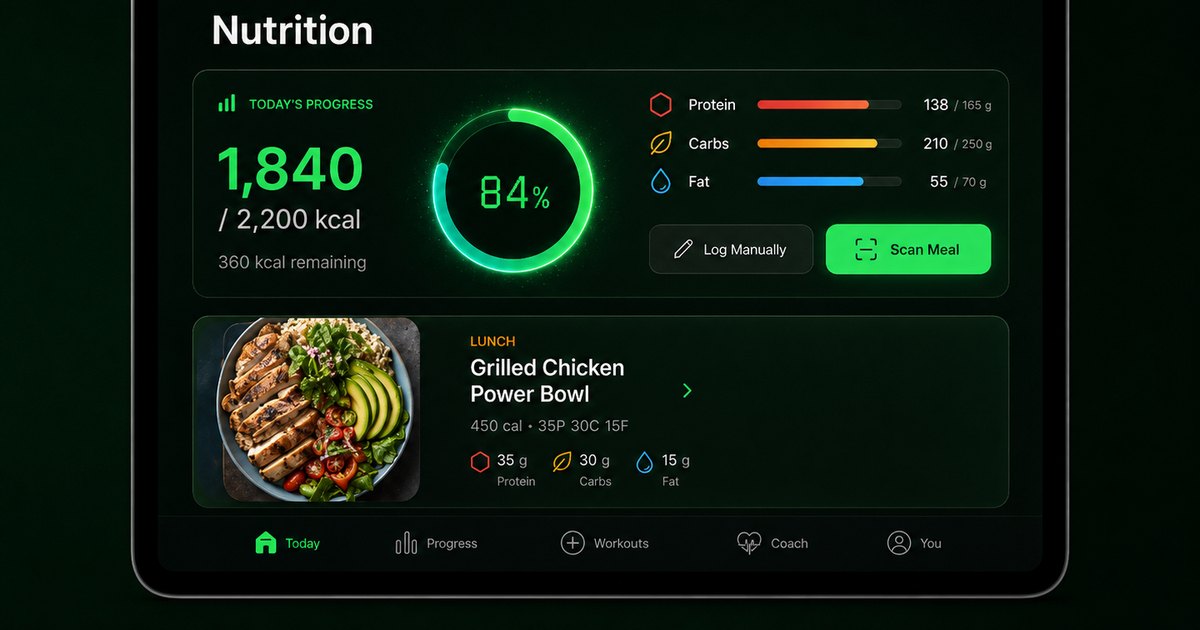
Here is how a fixed linear program compares to AI-driven adaptive training.
What StrongLifts does well
StrongLifts 5×5 is beautifully simple. Five exercises, three days a week, add weight each session. For absolute beginners who have never touched a barbell, this simplicity is a genuine strength. The app logs your sets and tells you exactly what to do next.
The linear progression model works for the first few months. Beginners make rapid strength gains because the program is consistent and progressive. There is no decision fatigue — you just show up and lift.
Where Budy takes training further
Linear progression has a ceiling. Once you stall on StrongLifts, the app tells you to deload and try again. Budy uses adaptive periodization that adjusts training phases based on your actual progress — not a fixed formula. The AI workout planner draws from an exercise library of 4800+ movements to keep training varied and effective.
Beyond programming, Budy includes health screening before exercise selection, nutrition planning with macro tracking and TDEE calculation, voice coaching during sessions, and gamification to keep motivation high. It is the difference between a spreadsheet and a platform.
Frequently asked questions
Is StrongLifts good for beginners?
Yes, for the first few months. But it lacks health screening, exercise variety, and nutrition planning that Budy provides from day one.
What happens when I plateau on StrongLifts?
StrongLifts prescribes deloads. Budy uses adaptive periodization that adjusts volume, intensity, and exercise selection to push through plateaus intelligently.
Does Budy support barbell training?
Yes. Budy includes all major barbell movements plus thousands of additional exercises. You get barbell training within a smarter, more adaptive framework.
Does StrongLifts include nutrition?
No. StrongLifts is workout-only. Budy includes AI meal planning with macro targets, cuisine preferences, and dietary restriction support.
Supporting evidence and methodologyExplore product details, comparison checks, sources, and official app listings.
Published by Budy. Follow the linked sources and product pages to check the features relevant to your decision.
Why Budy fits this need
StrongLifts gives you one fixed barbell template. Budy gives you an evolving plan built for your body.
Adaptive periodization beyond linear progression
StrongLifts adds weight every session until you stall. Budy uses block-based periodization that adapts volume, intensity, and exercise selection based on your progress and recovery.
4800+ exercises vs five barbell movements
StrongLifts uses five exercises. Budy draws from a library of 4800+ exercises to build varied, balanced programs tailored to your equipment and goals.
Integrated nutrition and health screening
StrongLifts does not include nutrition or health assessment. Budy runs PAR-Q screening, collects injury data, and generates meal plans with macro targets and cuisine preferences.
What shapes your Budy plan
- Training history and current strength levels
- Health screening and injury data
- Available equipment and training location
- Nutrition preferences and dietary needs
- Schedule and recovery capacity
Who Budy helps here
Lifters who have outgrown linear progression or want more than five exercises.
- StrongLifts users who have plateaued
- Beginners wanting more exercise variety
- Lifters needing injury-aware programming
- People wanting nutrition with their training plan
- Anyone comparing barbell programs to AI apps
Where this topic fits
Comparisons and App Alternatives
Pages comparing Budy against other workout, nutrition, tracker, coaching, and fitness app alternatives.
Browse the Comparisons and App Alternatives topic hubHow these features work in Budy
Explore the Budy features related to this page and follow the links for more detail. Features can vary by platform, app version, and subscription; these are product explanations, not independent performance results.
Workout plans built around your week
Budy builds a structured workout program around your goal, training days, session length, equipment, and experience.
- Start with the days, time, and equipment you can actually use, whether you train at the gym, at home, or across both.
- Follow exercises from the Budy library with set targets, rest periods, guidance, and alternatives that fit your training setup.
- Add relevant limitations when setting up your plan. These inputs help tailor the program; they are not a medical assessment.
Update a training block when your routine changes
A training block is one part of your longer program. Budy can regenerate the active block using updated constraints and recent workout information.
- Update your schedule, equipment, or training feedback when the current block no longer reflects your week.
- Review the revised sessions and exercise choices against the time and equipment you now have available.
- Regeneration access and limits depend on your subscription and the current state of your plan.
Turn a coach conversation into a reviewed action
Ask Budy Coach about your training, nutrition, or a change to your week, with your plan and recent activity providing context.
- Ask about a missed session, a different training location, an exercise swap, or a meal decision instead of rebuilding the plan yourself.
- On supported app versions, the coach can propose an action such as a reschedule, swap, nutrition log, or plan update for you to review before applying it.
- Check the resulting workout or meal after accepting an action. Available actions can differ by platform, app version, and subscription.
Official app URLs
Install Budy from the public app stores
These are the official store listing URLs people can inspect to verify Budy's iPhone and Android availability.
iOS app
App Store
Official iOS listing for Budy. Identifier: 6760213282. Last verified 2026-09-09.
Android app
Google Play
Official Android listing for Budy. Identifier: fit.budy. Last verified 2026-09-09.